
La Sportiva Ultra Raptor 3 Mid GTX review: a hiking boot that thinks it's a trail shoe
La Sportiva Ultra Raptor 3 review: lightweight, grippy, and waterproof for fast hiking and technical trails. My honest hands-on take.

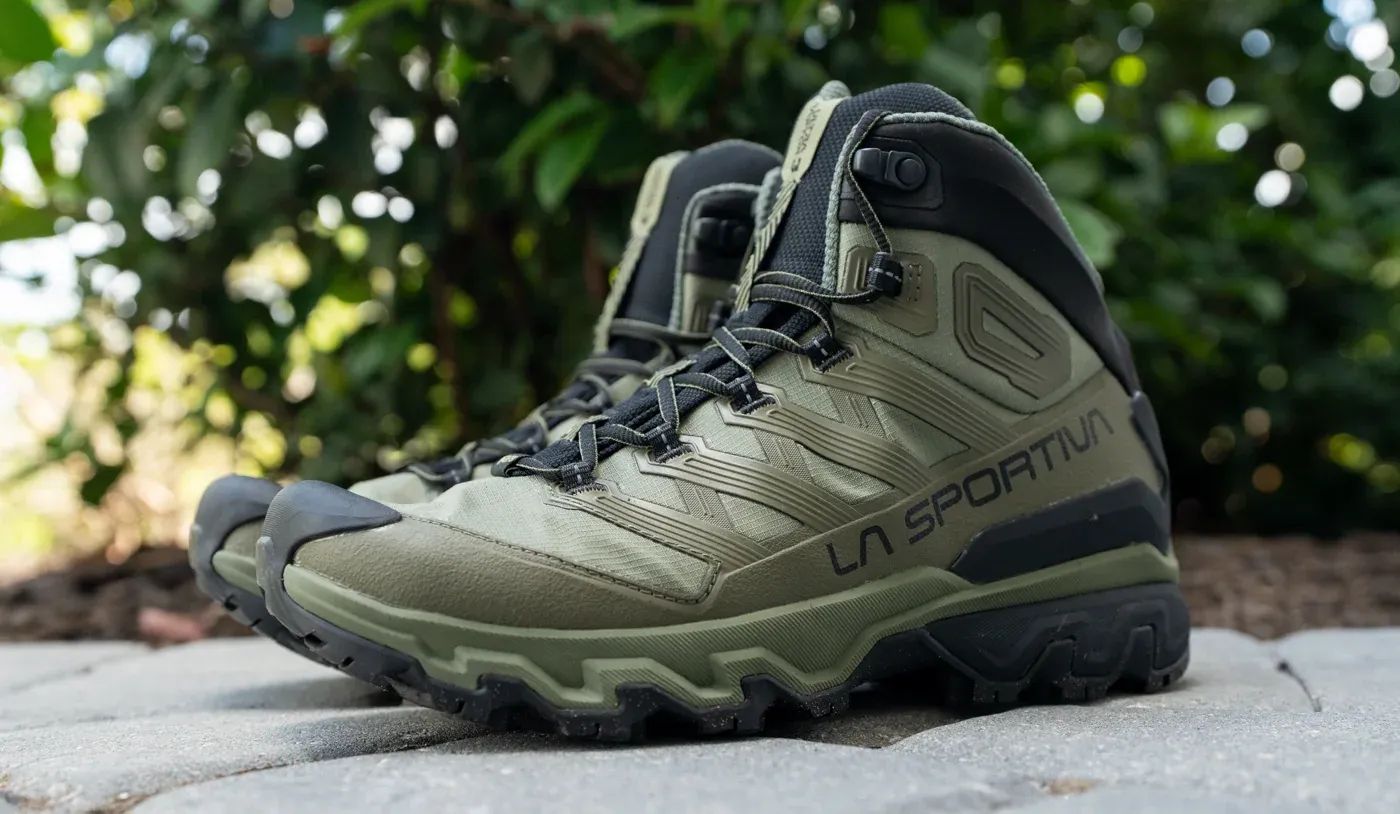
If you've spent any time in hiking footwear, you know the tension well: trail running shoes feel fast and light but leave your ankles and feet a little exposed on technical ground, while traditional hiking boots protect you but weigh you down and slow everything up.
For a while, the sweet spot felt mythical, but there are more and more lightweight, trail runner'esq hiking boots hitting the market lately, and the La Sportiva Ultra Raptor 3 Mid GTX is another one that's closing the gap.
This is La Sportiva's latest iteration of its Ultra Raptor line, and the third generation brings a more refined fit, updated materials, and a mid-cut Gore-Tex build that's designed for fast hiking, fastpacking, and technical mountain terrain.
I've been putting a pair through its paces, and here's where I've landed...
If you purchase through links in this article, we may earn a small affiliate commission.
Key specifications
- Price: $219 at REI
- Weight: 14.4 oz (408 g) per shoe (size US 9, measured)
- Drop: 8 mm
- Stack height: 35 mm heel / 27mm forefoot
- Upper: High-tenacity ripstop mesh (85% recycled PES, 15% PES), TPU lacing harness, Transkinetic EVO heel stabilizer, integrated rubber toe cap
- Waterproofing: Gore-Tex ePE Extended Comfort membrane (PFAS-free)
- Midsole: Dual-density CMEVA
- Outsole: FriXion XF 2.0 rubber, Impact Brake System (X-Axis), 4.5 mm lugs
- Insole: Ortholite Hybrid (washable; recycled materials)
- Sizing: La Sportiva runs small — size up half a size
Sizing and fit
La Sportiva footwear tends to run small, and the Ultra Raptor 3 is no exception.
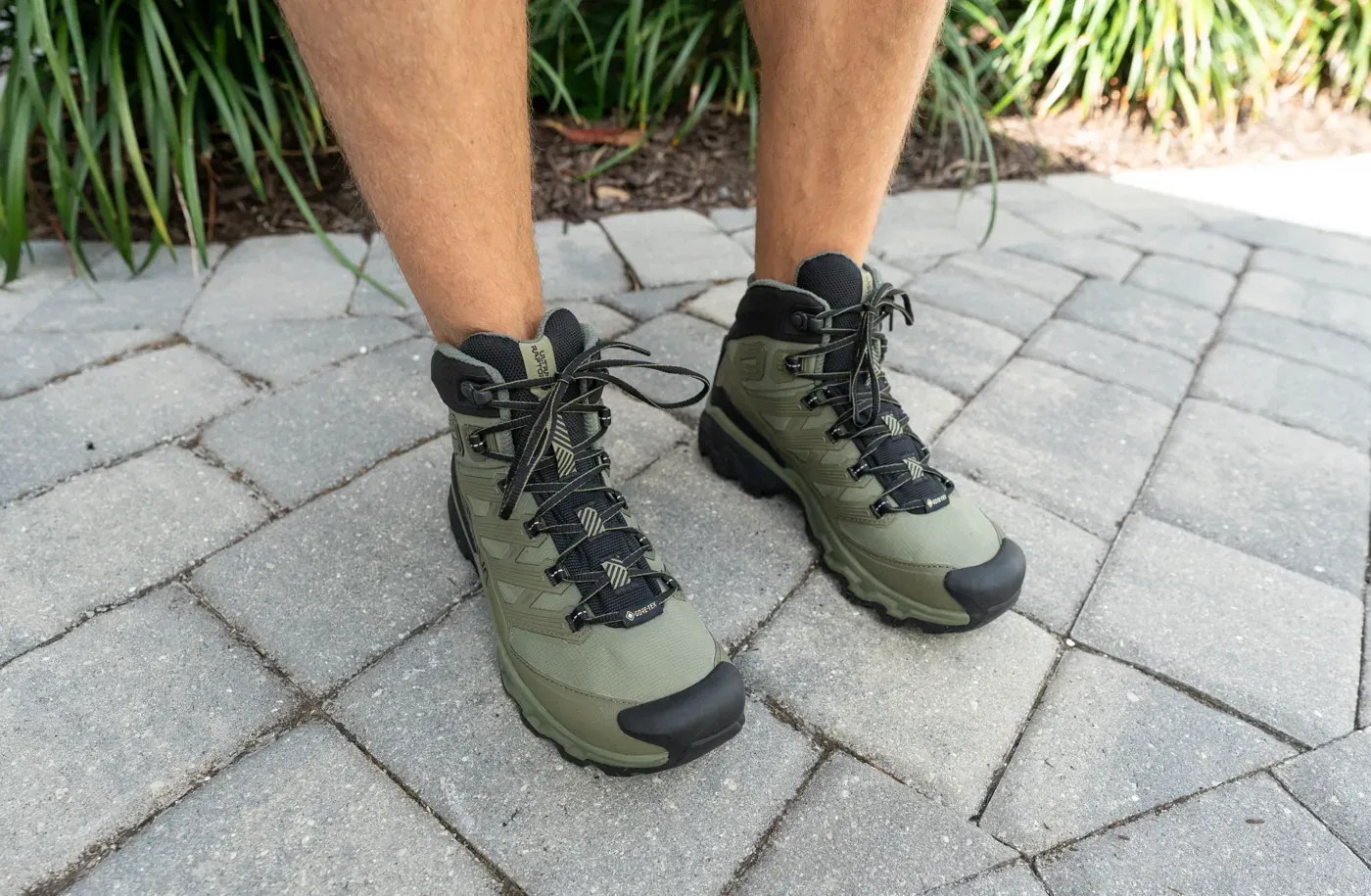
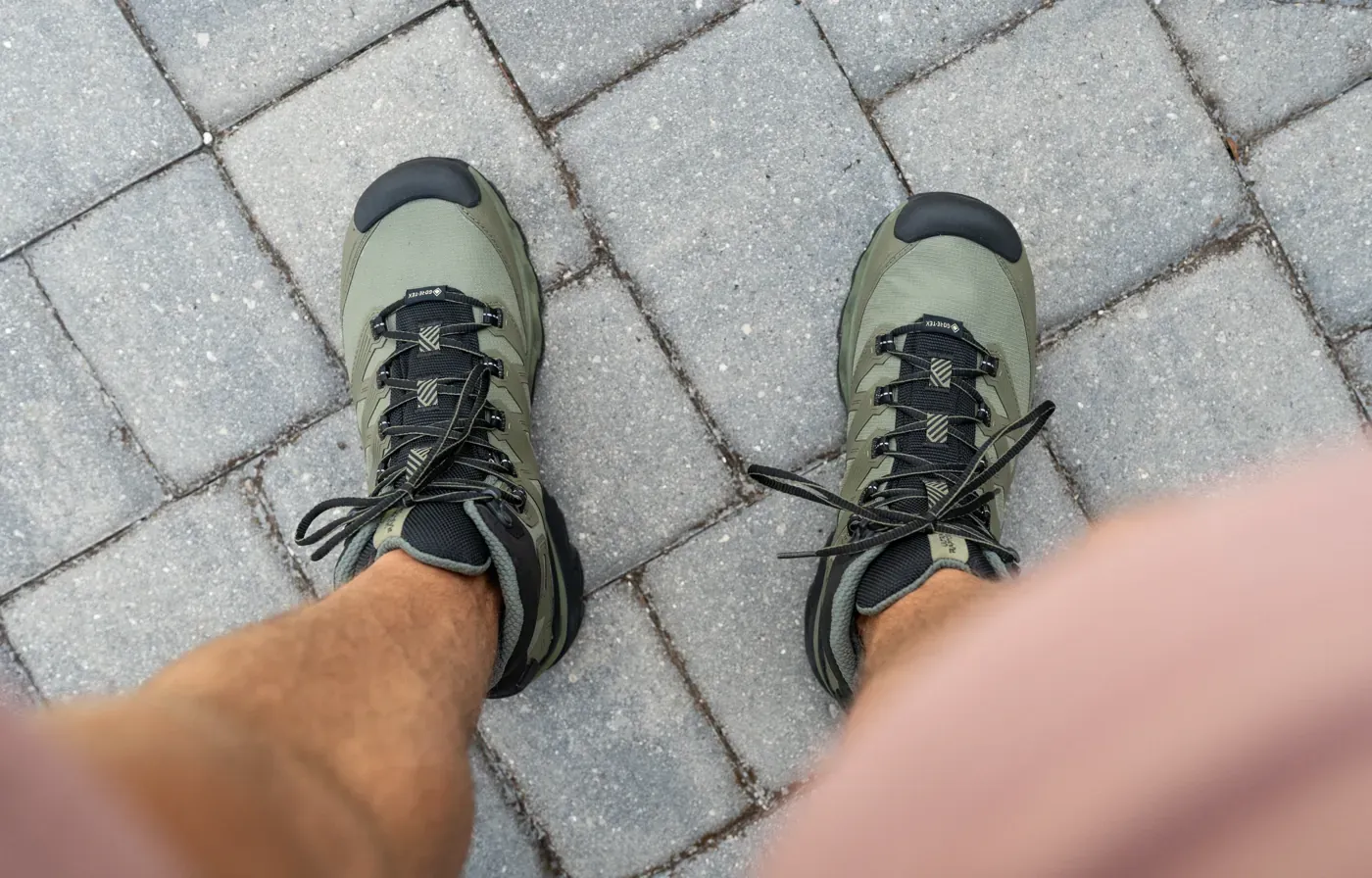
Size up half a size from your usual US / UK size, your feet will thank you if you're wearing hiking socks and want a little wiggle and breathing room in your boots.
It's best suited to narrow-to-medium feet; so if you run wide through the forefoot, you may find it snug.
The midfoot and heel both lock down well thanks to the TPU lacing harness and Transkinetic EVO heel stabilizer.
One thing to be aware of is that the dipped heel collar can feel slightly roomy for some foot shapes. Dialing in sock thickness early is worth doing before you commit to a big day out. I like the fit personally.
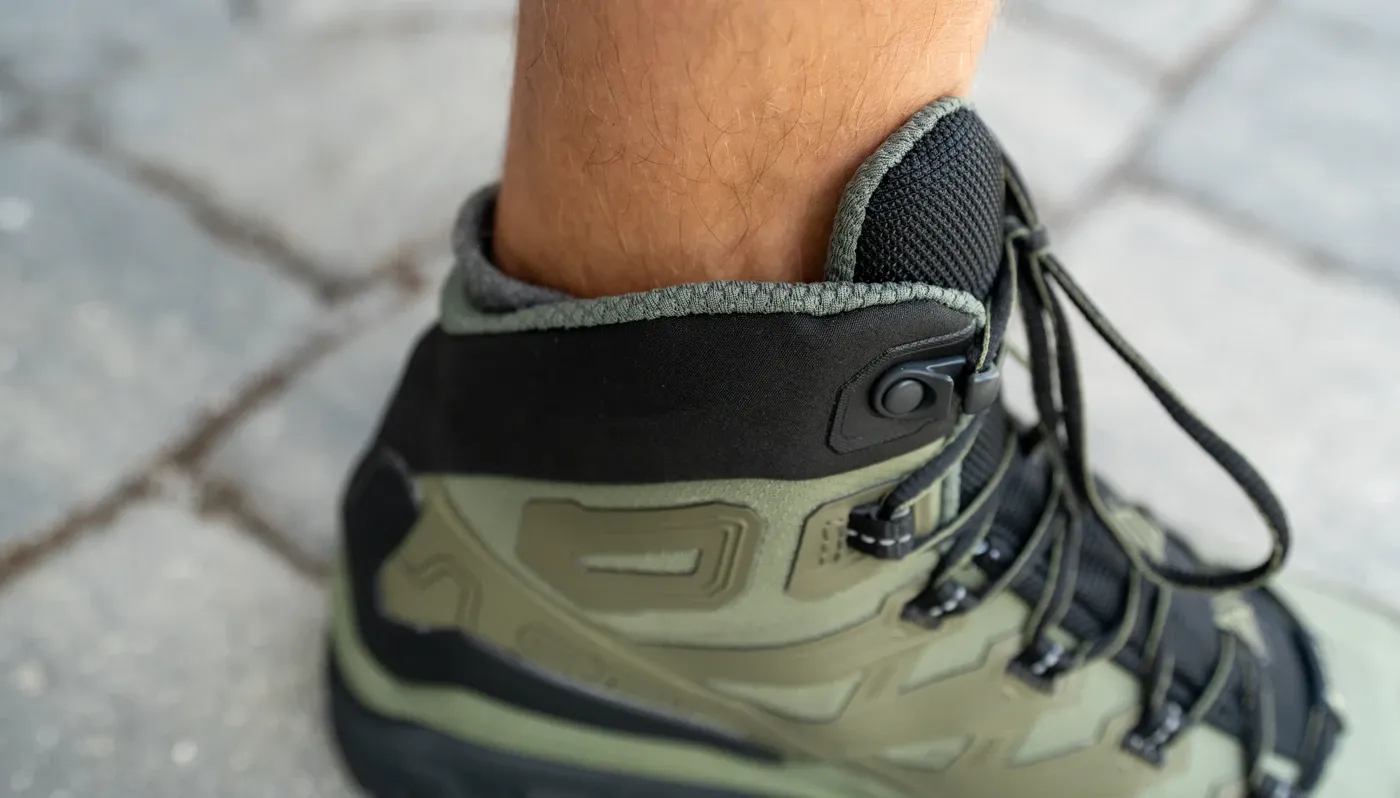
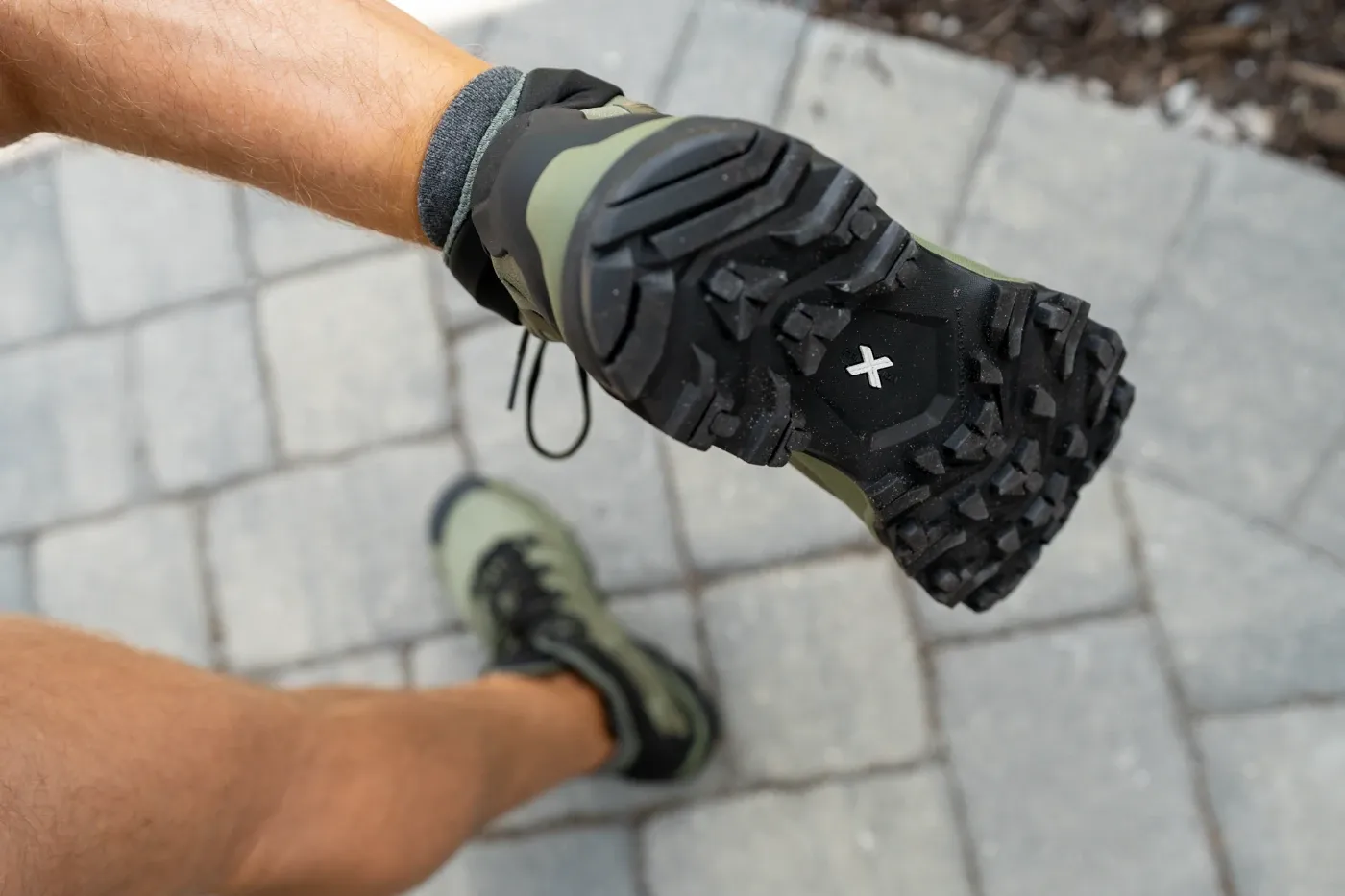
The mid collar height is well-judged, and feels protective without being restrictive. Break-in is minimal, and the cushioned tongue helps from the first wear.
3 features I love
The traction is genuinely exceptional
The FriXion XF 2.0 outsole is the first thing you notice on trail, and it earns its reputation fast.
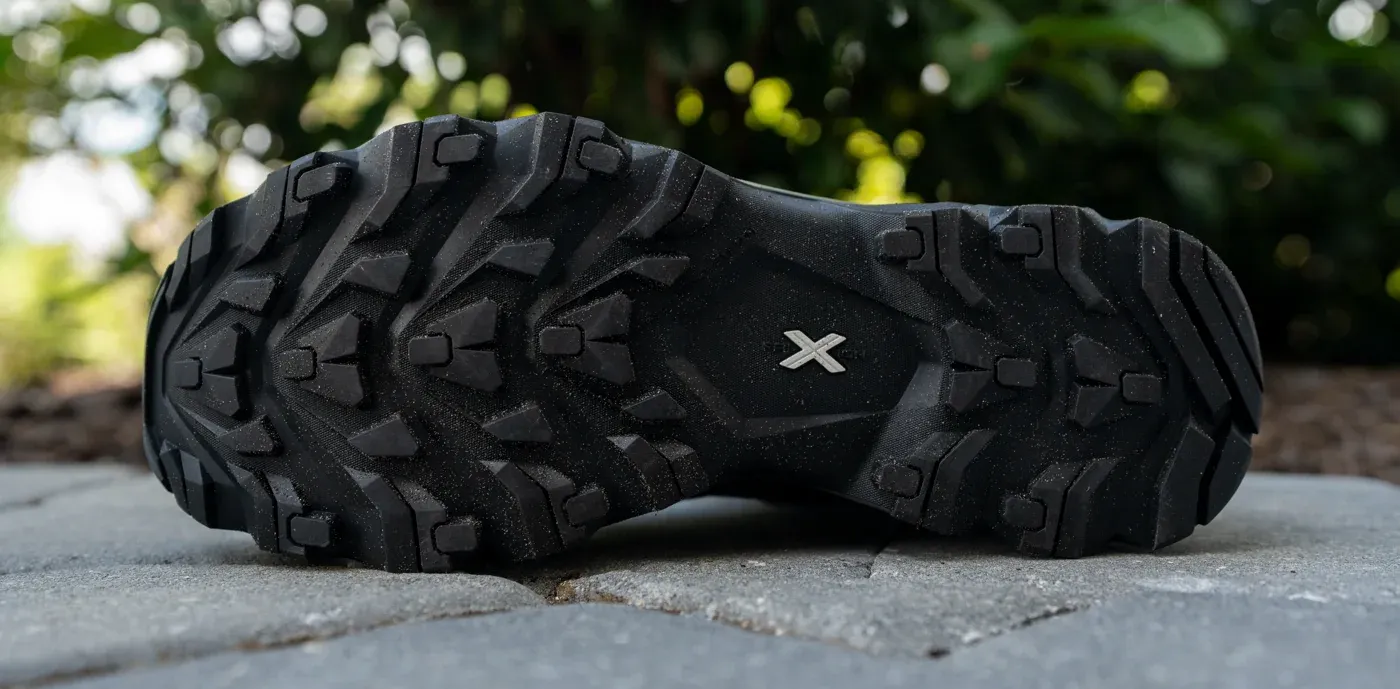
The 4 mm lugs bite into dirt, loose rock, and scramble sections with real confidence, and the Impact Brake System does exactly what it promises on steep descents; it slows you down before your momentum makes that choice for you.
Performance on slick rock, muddy switchbacks, post-rain roots has all been very good too; the sticky compound holds where other shoes start hedging, unless they use Vibram Megagrip. It's not infallible on very steep wet slabs, but for the variety of terrain most of us actually hike, it performs above its weight class.
If you've read my Merrell Moab Speed 2 Gore-Tex review, the traction is comparable.
The weight-to-protection ratio is hard to beat
At 14.4 oz per shoe on my size 9 US pair, these feel pretty agile all things considered: a mid-cut collar, Gore-Tex waterproofing, a reinforced rubber toe cap, a TPU heel stabilizer, and enough structure to handle real terrain.
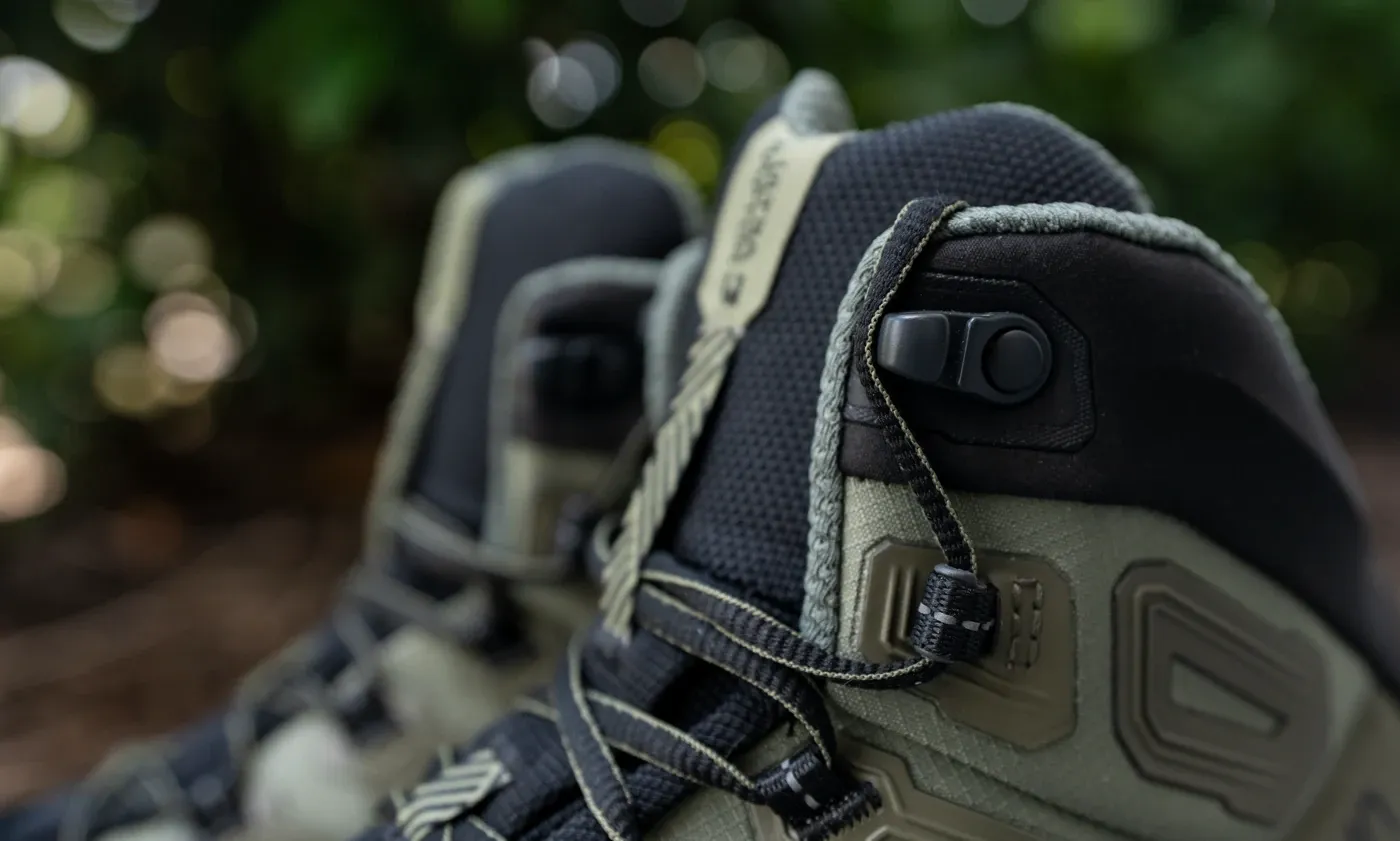
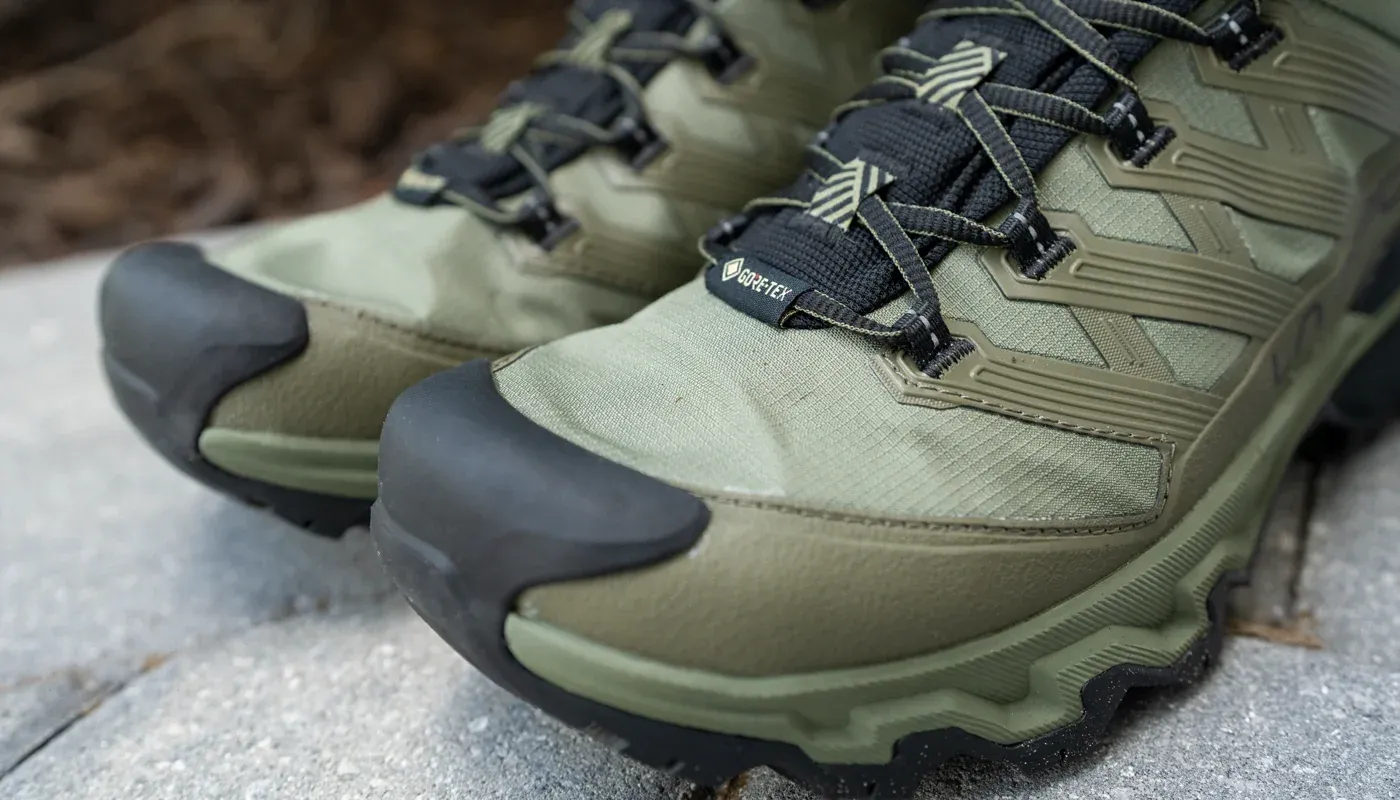
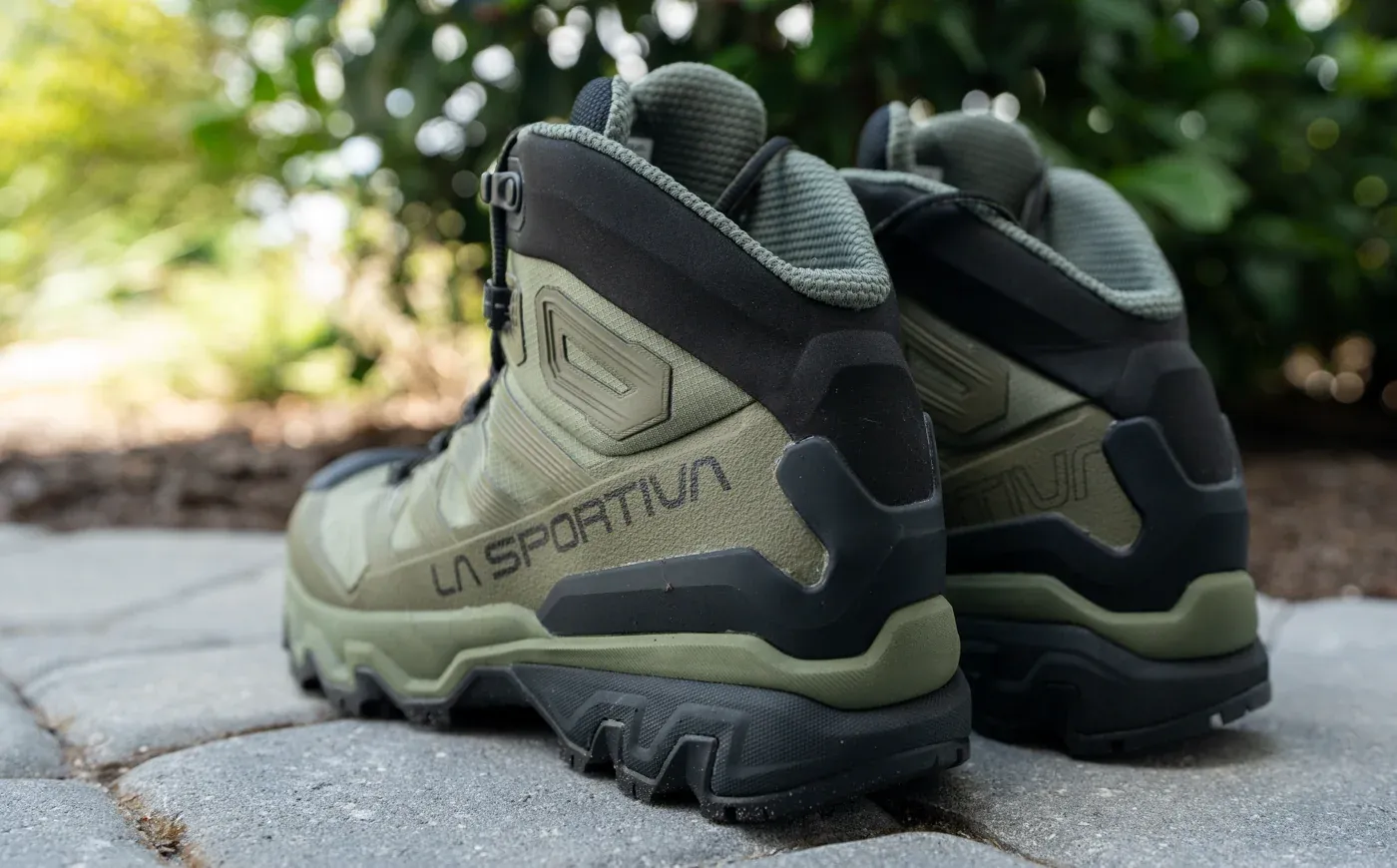
Pick them up and they feel more like durable all mountain trail runners than hiking boots, and that sensation doesn't go away once they're on your feet.
That agility matters most on technical ground (sidehills, scree fields, scramble approaches) where a clunky boot slows you down and saps your focus. With the Ultra Raptor 3, your feet can move more naturally and precisely.
There's no lag between intention and action, which builds real confidence when the trail gets interesting. It's a different proposition from something like the Hoka Kaha 3 GTX, which is a more substantial, supportive build, but still super comfortable; the La Sportiva is clearly the choice if agility and low weight are your priorities.
If you're all about stripping weight for you hiking endeavors, read our ultralight backpacking gear guide next.
Ultralight Backpacking Gear: The Complete Kit Guide
How to build a sub-10lb ultralight backpacking kit, with the best lightweight gear from REI across every category, plus a free base weight calculator.
 Alastair Dixon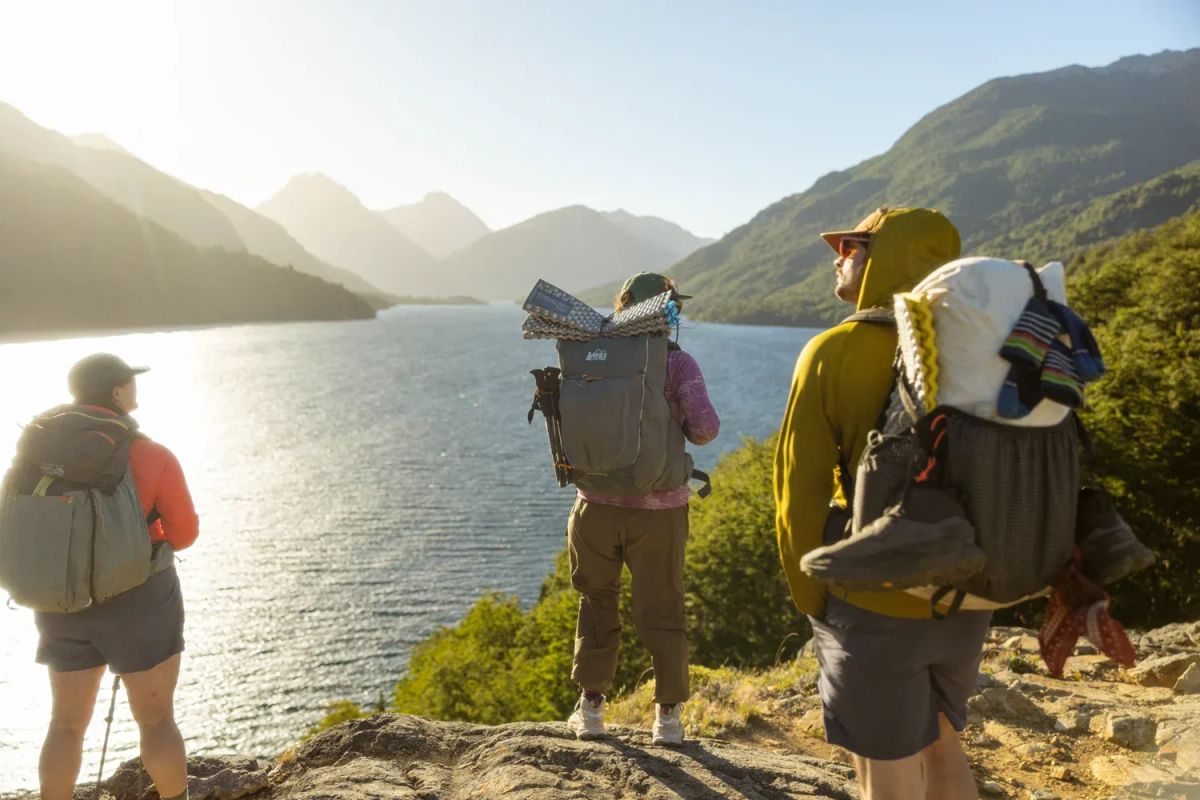
The fit is well rounded
While La Sportiva footwear still fits truer to a narrower European last, the v3 has meaningfully improved forefoot volume and toe box width. After a long hike on the trails, my toes weren't screaming for space (obviously I had to size up a half size for this); which was a genuine surprise given the brand's history on that narrow width front.
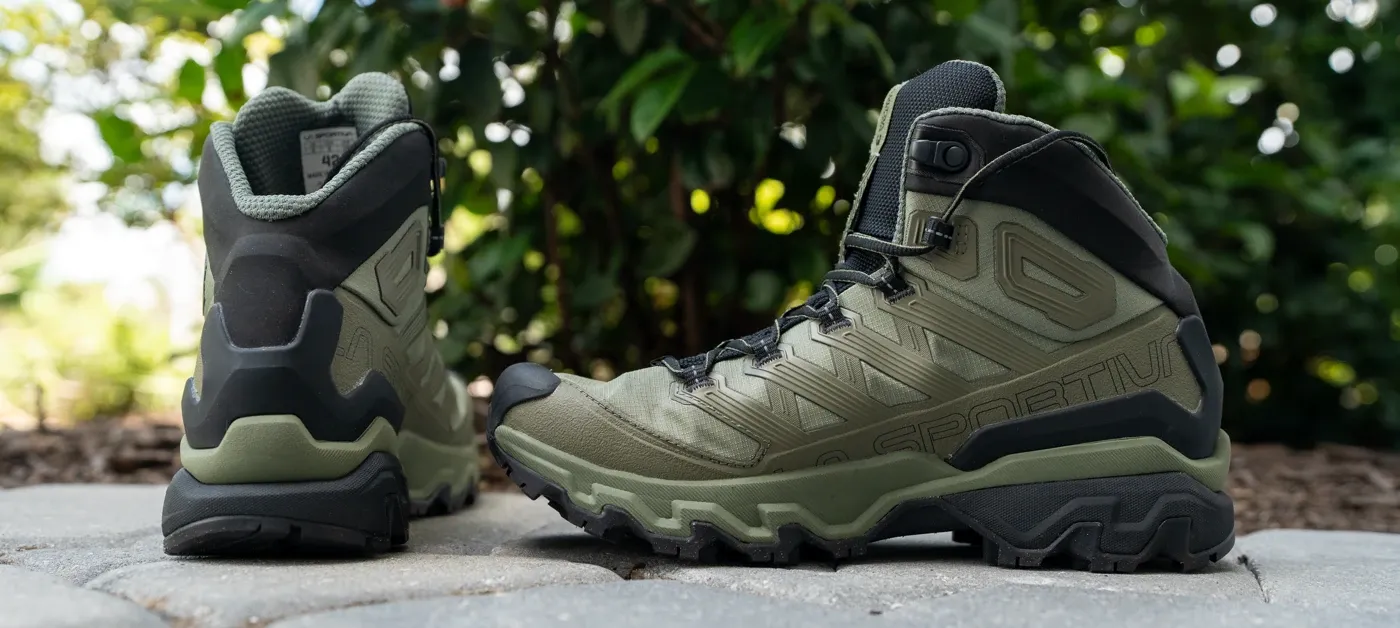
The mid collar hits at a good height. High enough to keep debris out and provide some lateral awareness without restricting your stride or forcing awkward ankle mechanics.
The cushioned tongue and padded collar soften what could otherwise be an aggressive, performance-first feel. Break-in time is minimal. These felt right almost from the first wear.
It's a similar approach to the Nike ACG Pegasus Trail in terms of bridging the trail runner and hiking boot worlds, but the La Sportiva leans harder into precision and technical grip.
Nike ACG Pegasus Trail review: best road-to-trail shoe?
The Nike ACG Pegasus Trail is a versatile road-to-trail running shoe with improved grip, more cushioning, and a wider fit. Here’s who it’s for and how it runs.
Alastair Dixon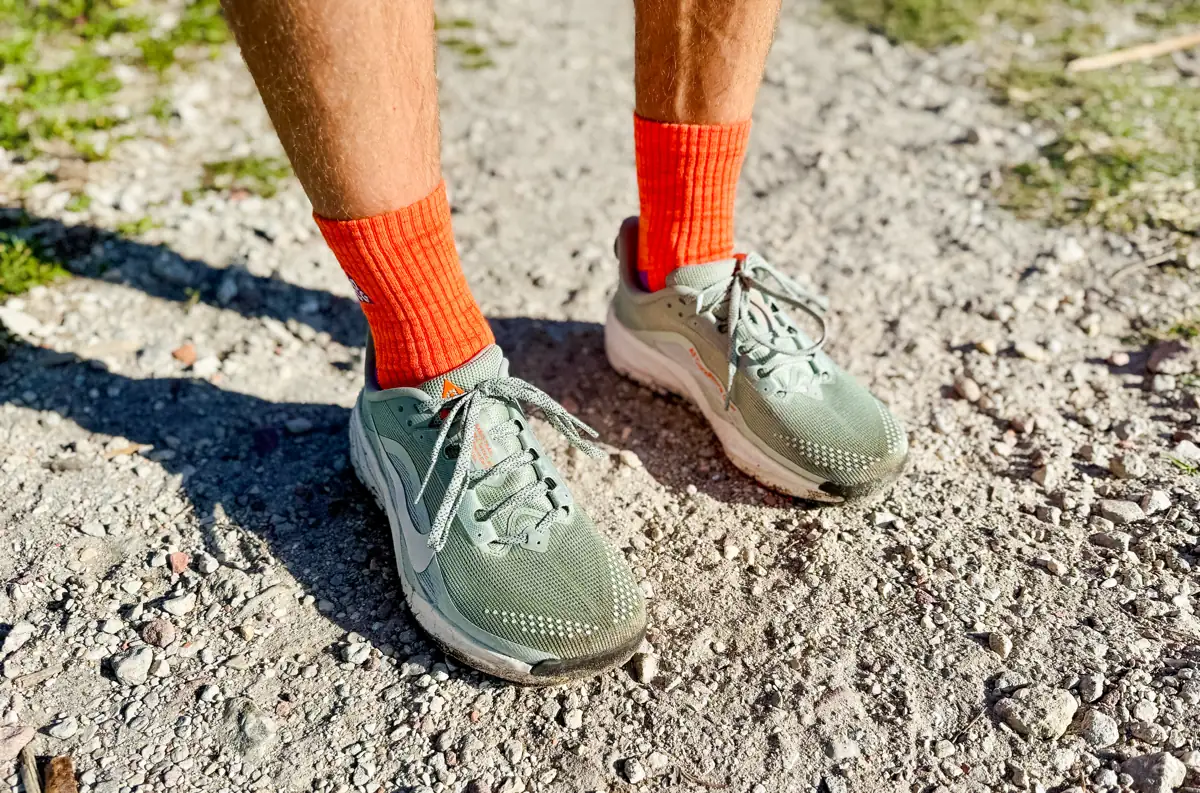
What could be improved
Warmth in hot weather
Gore-Tex is a tradeoff by nature, and in temperatures above 80°F these can feel warm and a little clammy.
They're not miserable, but if you're primarily hiking in hot, dry conditions, you'll notice the heat retention, they're a waterproof boot after all. These are best suited to cooler or variable weather, mountain environments, or shoulder-season use where the waterproofing earns its place.
Heel fit
This is the one area where fit fine-tuning matters.
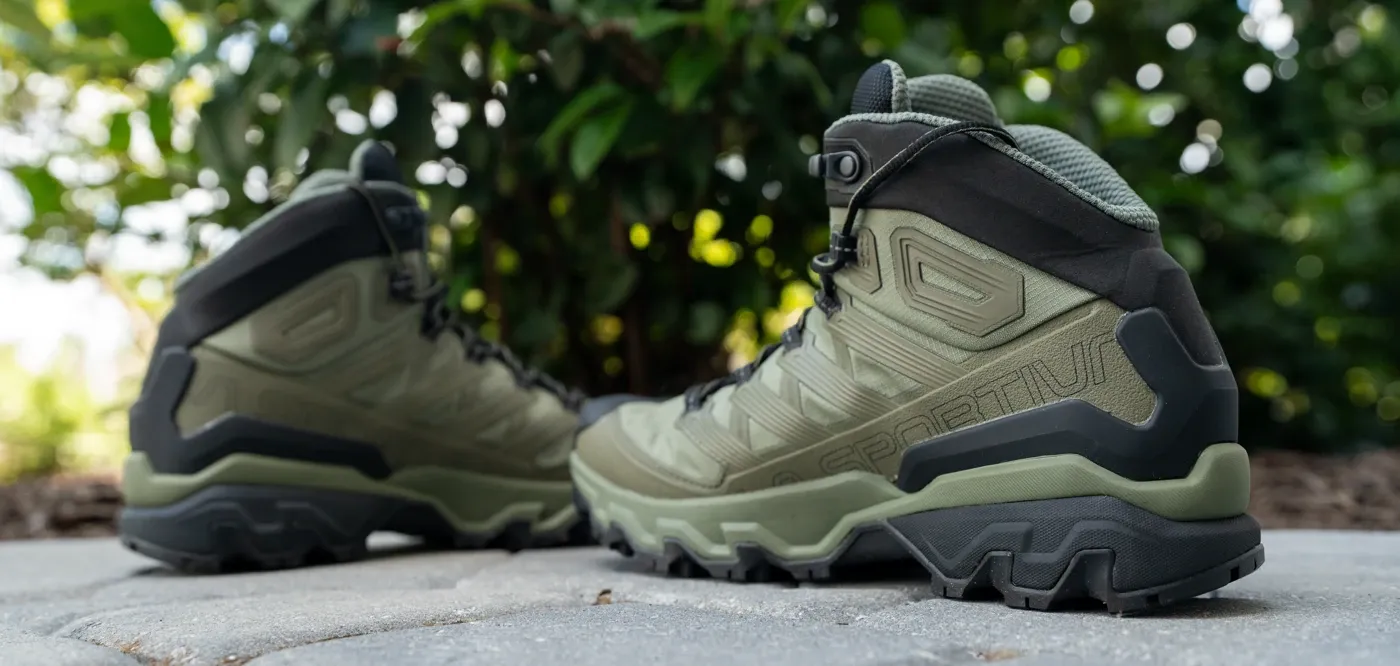
The heel collar can feel slightly roomy for certain foot shapes, and on long sidehilling stretches or repetitive technical terrain, that movement can create friction for some; I haven't personally experienced this however.
Thicker socks or swapping in a different insole can help here, but it's worth knowing going in, especially if your feet run narrow through the heel.
Cushioning on big mileage days
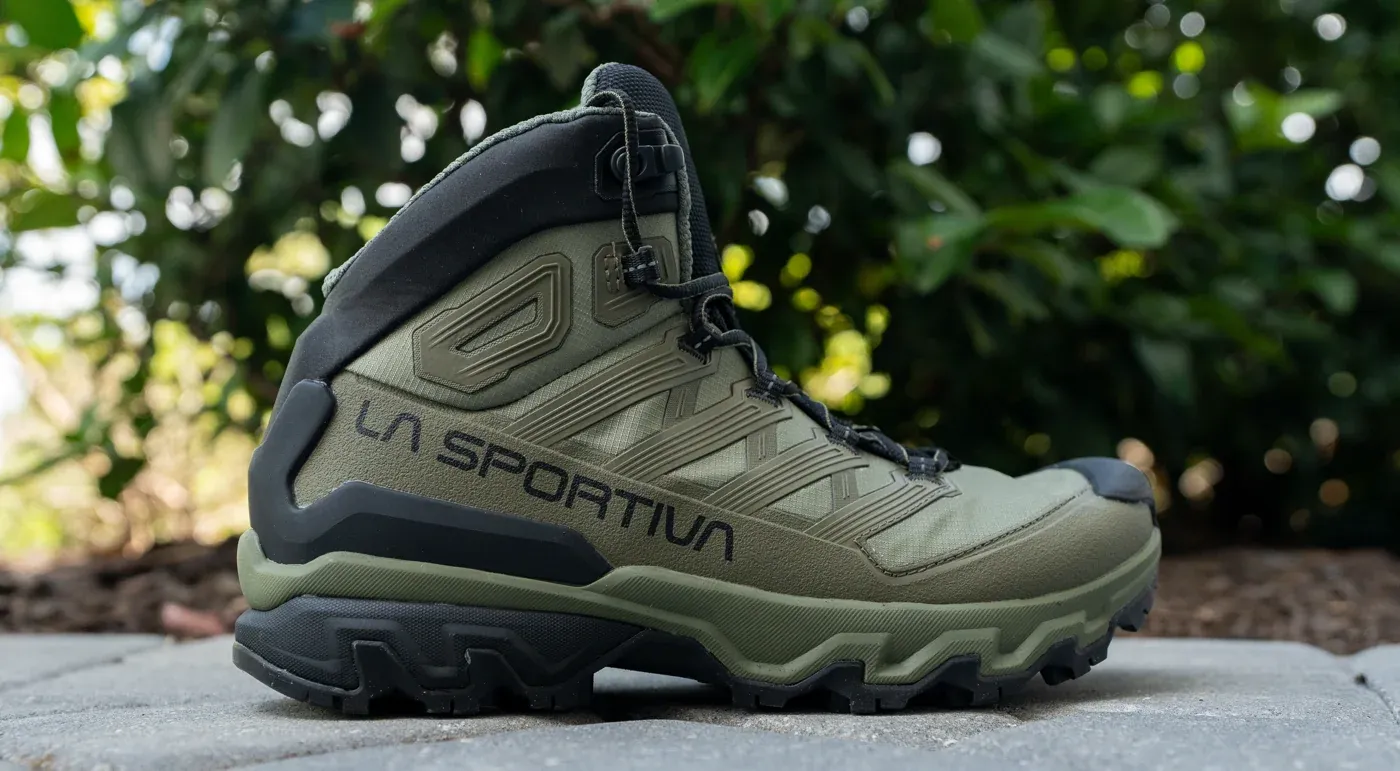
The dual-density CMEVA midsole is firm and supportive rather than plush. For technical trail days, that's exactly what you want. For very long, flatter high-mileage outings, it may leave your feet wanting a softer landing by mile 15+.
If you're primarily a flat trail or road hiker, you'll likely want something with more underfoot cushioning.
My verdict
The La Sportiva Ultra Raptor 3 Mid GTX does the thing that most hybrid boots only partially manage: it genuinely feels like a protective trail runner when you're moving, and genuinely feels like a boot when the terrain demands it.
That's a rare combination, and La Sportiva has refined it across three generations into something that's hard to argue with.
At 14.4 oz per shoe with Gore-Tex, a grippy outsole, mid-cut ankle protection, and a significantly improved fit over its predecessors, it earns serious consideration for anyone who moves fast in the mountains, does mixed-terrain fastpacking, or just wants a capable all-weather boot that won't slow them down.
For more options in this category of fast movers in technical terrain, my best trail running shoes roundup covers the full landscape of what's worth considering right now if you want to step away from the boot format.
Best Trail Running Shoes 2026: Tested & Ranked
My personal picks across all-mountain, road-to-trail, ultra, and trail racing — every shoe tested firsthand, no filler.
Alastair Dixon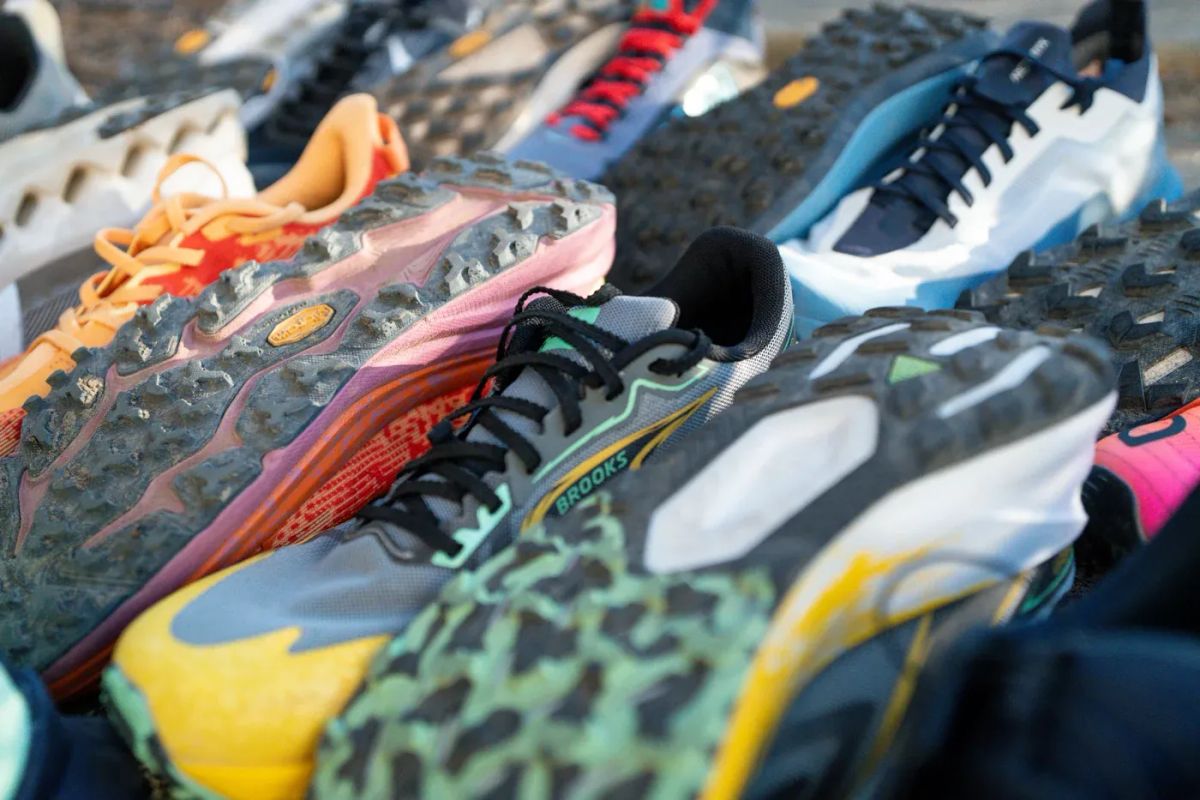
Size up half a size from your usual, plan for some warmth in summer use, and dial in the heel fit with your preferred socks. Do those things, and these boots will reward you on a lot of challenging terrain. Pair them with a good set of lightweight trail running poles for technical descents and fastpacking days, and you have a genuinely capable mountain kit.
Who it's for: Fast hikers, fastpackers, and mountain adventurers looking for all-weather protection without the weight penalty. Best in cooler or variable conditions with moderate loads.
Who should skip it: Very wide-footed hikers, those who need maximum cushioning or heavy-pack stability, or anyone primarily hiking in hot, dry conditions.
If you haven't already, signup for our free newsletter, for more quality outdoor content like this. -Alastair
Written by

Subscribe to new posts
Gear that earns its place, outdoors and at home | Reviews, Roundups, News







Member discussion