
How to start running for beginners: the complete guide (2026)
Everything you need to know to get started with running, including how to build up to a 5k with our free training plan generator.

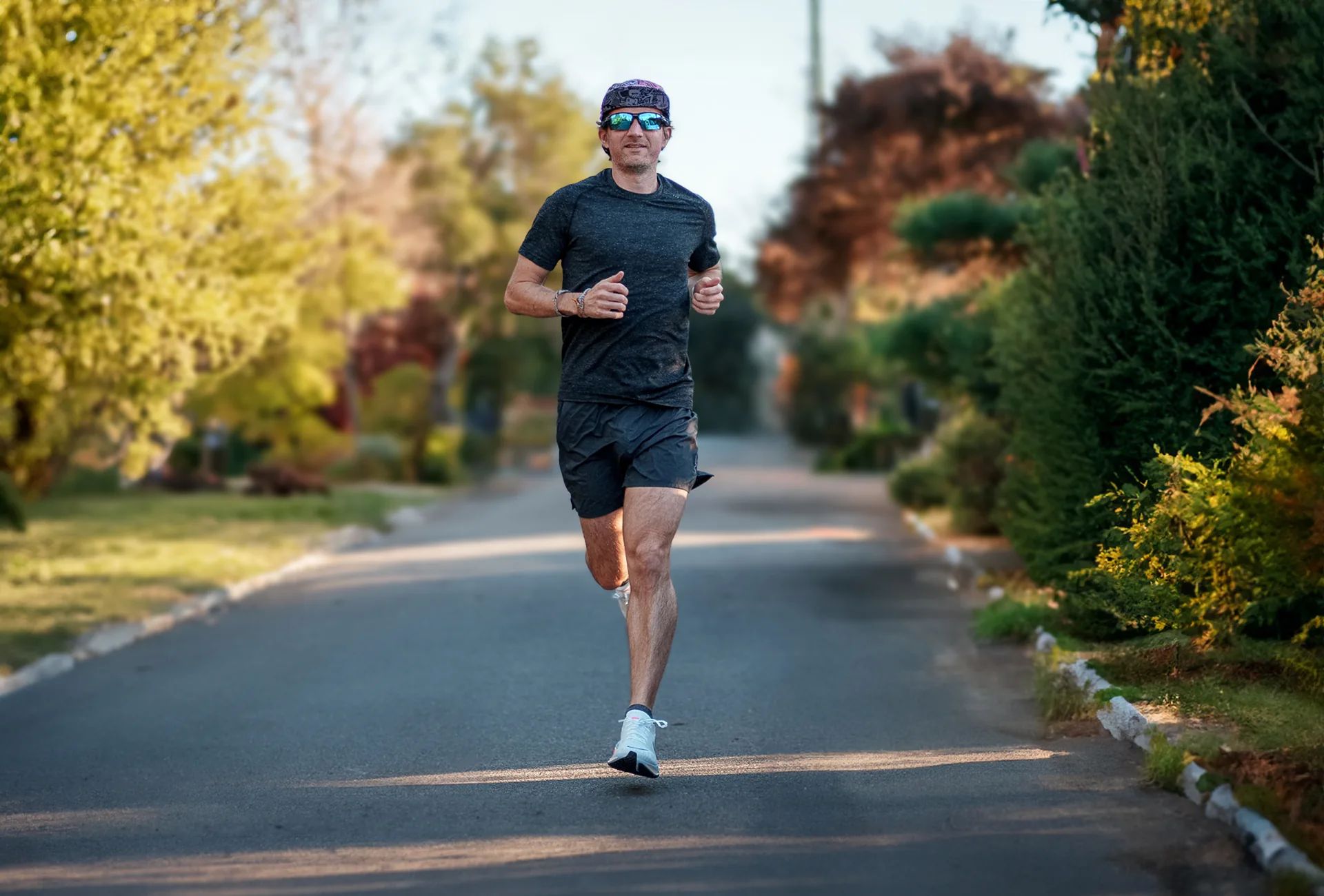
Whether you've never laced up a pair of running shoes in your life, or it's been years since you last hit the pavement, starting a running habit is one of the most rewarding things you can do for your health and headspace. It costs almost nothing to get going, you can do it anywhere, and the results (physical and mental) come faster than most beginners expect.
This guide covers everything: what gear you actually need, how to structure your first few weeks, a beginner running schedule you can follow, tips that make a real difference, and how to avoid the mistakes that send most new runners limping back to the couch.
If you already have some fitness and just want a structured plan, skip straight to the beginner running schedule section, where you'll also find a link to our free Couch to 5k training plan generator.
Why start running?
Running's appeal is pretty simple: it's the most accessible form of cardio on earth. No gym membership, no equipment beyond a decent pair of shoes, no commute. You step outside and go.
The physical benefits are well-documented: improved cardiovascular fitness, stronger bones and joints, better sleep, and an effective way to manage weight. But for most runners, it's the mental benefits that keep them coming back. Running triggers a genuine endorphin response, reduces cortisol (your stress hormone), and gives you a rare window of unstructured time in the day that belongs entirely to you.
There's also something quietly powerful about setting a goal (say, running your first 5k non-stop) and actually achieving it. That kind of concrete self-efficacy has a way of spilling over into the rest of your life.
What you need before your first run
You don't need much. Here's the honest short list:
Running shoes
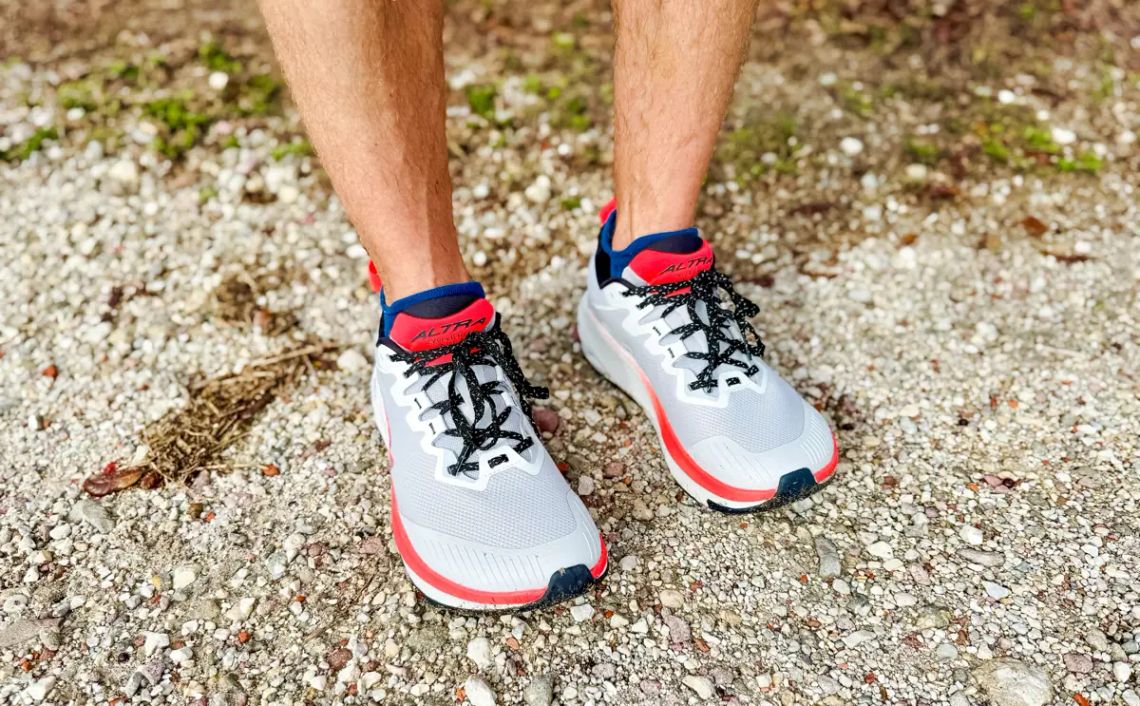
This is the one thing worth spending real money on. Running shoes are engineered differently from lifestyle sneakers: they provide structured cushioning, heel-to-toe drop, and flex points that work with your gait. Running in fashion trainers is a fast route to sore knees and shin splints.
You don't need to spend a fortune. A solid entry-level shoe from Hoka, New Balance, Brooks, or ASICS will do the job well. If you're not sure where to start, my best running shoes guide over on the Alastair Running platform has current picks across every category.
The best running shoes to buy right now (2026)
From daily training miles to trail ultras and race-day PRs, these are the best running shoes right now that I personally rely on and recommend after thousands of miles of real-world testing. This is the ultimate running shoe rotation.
 Alastair Dixon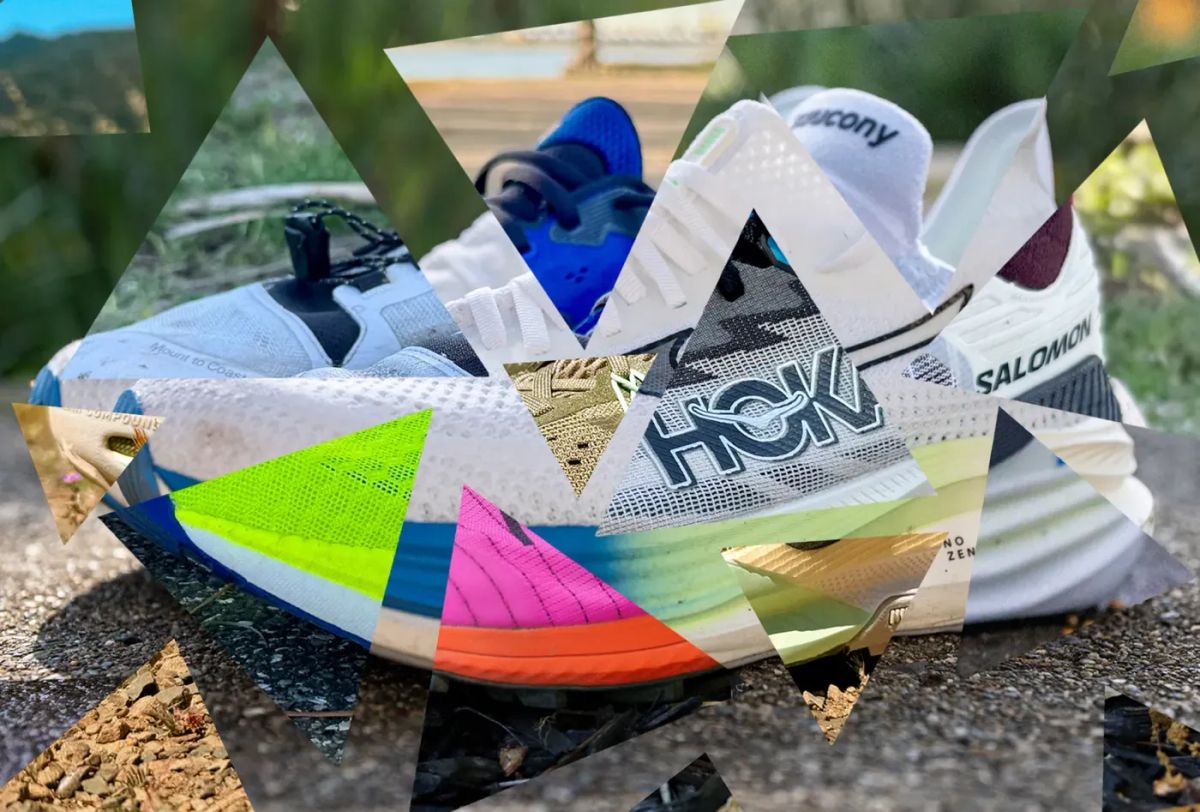
The best beginner running shoes tend to lean toward higher stack heights and medium-to-firm cushioning: forgiving enough for tired legs, but stable enough to keep your form honest when fatigue sets in.
Running socks
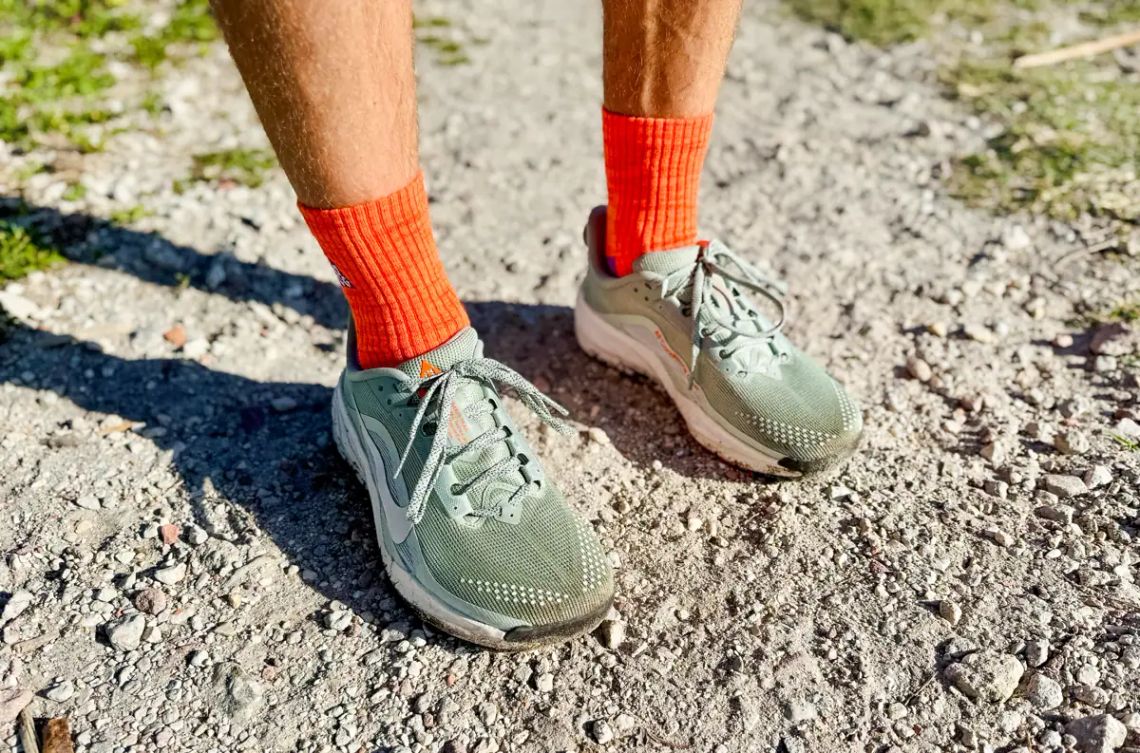
Overlooked by almost everyone. Standard cotton socks trap moisture, which causes blisters and hot spots within the first mile. A technical running sock (look for merino wool or synthetic blends) wicks moisture and reduces friction. Our best running socks guide has picks that won't break the bank.
A supportive sports bra (for women)
Running is a high-impact activity. A sports bra designed specifically for running will have more structure and secure attachment points than general gym bras. Look for "high-impact" in the product description. For detailed picks, see our best sports bras for running guide.
Moisture-wicking clothing
Any t-shirt and shorts work for your first run. But anything cotton becomes heavy and clingy with sweat, and can cause chafing on longer efforts. Even a basic synthetic running top from a budget brand makes a noticeable difference to comfort, especially in warmer weather.
How to start running from scratch: the run-walk method
The single biggest mistake new runners make is going too fast, too far, too soon. They set off at a pace they can't sustain, get out of breath in under five minutes, decide they're "not a runner," and stop.
The solution is the run-walk method, and it's how virtually every credible beginner running program works (including our own). The idea is simple: you alternate between periods of running and periods of brisk walking. The running intervals start short (even one or two minutes) and gradually get longer week by week as your fitness builds.
This approach works for three reasons:
It keeps each session achievable and enjoyable. It gives your cardiovascular system and musculoskeletal system time to adapt without being overwhelmed. And it builds a genuinely sustainable running habit rather than a one-week experiment in suffering.
One thing worth knowing: the first 5-6 minutes of every run are hard, even for experienced runners. Your breathing feels labored, your legs feel heavy, and nothing feels right. Push through this window, and it almost always settles. This is normal physiology, not a sign you should stop.
How far and how fast should a beginner run?
Pace
A useful rule: you should be able to hold a conversation while running. If you're gasping for words between sentences, you're going too fast. Slow down, even if that means barely shuffling. Speed comes later, with fitness. Right now, consistency is the goal.
Ignore your pace per mile entirely for the first few weeks. Run by feel and effort, not numbers.
Distance
For true beginners, time is a more useful measure than distance. Aim for 20-30 minutes out the door (including walk breaks) three times per week. As your fitness improves, you'll naturally cover more ground in the same time.
A realistic timeline for most beginners: 8 weeks from zero running to running a 5k (3.1 miles) non-stop. Some people get there faster. Some take a little longer. Both are fine.
Beginner running schedule: your first 8 weeks

Below is a framework for your first 8 weeks. It follows the run-walk structure: three runs per week, with rest or easy cross-training (walking, swimming, yoga) on the other days.
| Week | Workout structure | Total running time |
|---|---|---|
| 1 | Run 1 min / walk 2 min × 8 | ~8 min |
| 2 | Run 2 min / walk 1 min × 8 | ~16 min |
| 3 | Run 3 min / walk 1 min × 6 | ~18 min |
| 4 | Run 5 min / walk 1 min × 4 | ~20 min |
| 5 | Run 8 min / walk 1 min × 3 | ~24 min |
| 6 | Run 10 min / walk 1 min × 2 + run 10 min | ~30 min |
| 7 | Run 20 min continuous | 20 min |
| 8 | Run 30 min / 5k continuous | 30 min |
Each session should include 5 minutes of easy walking at the start and end as a warm-up and cool-down.
Want a more personalized plan?
Our Couch to 5k training plan generator (Trail & Kale members) builds a weekly schedule around your current fitness level, availability, and goal race date. It's free for members and takes under two minutes to set up.
Couch to 5K, 10K, Half Marathon Training Plan Generator
Build a free couch to half marathon training plan from scratch. Also covers couch to 5K and 10K. Beginner-friendly, road and trail, starting from zero.
Alastair Dixon
For runners who want to look further ahead (10k, half marathon, marathon, or even ultra distances), our full training plan generator covers any distance, any terrain, and any level of vertical ascent. Both tools are available exclusively for Trail & Kale members.
Running training plan generator (5K to 100-mile ultra)
Build a personalized half marathon, marathon, or ultra training plan around your race date and current mileage. Road and trail, any distance, any level.
Alastair Dixon
⬆ Ready to gain access to OUR tools for Runners & HIKERS?
Subscribe to a free account to reveal our Training Plan Builders and get extra perks like access to exclusive content, training tools, gear roundups, community comments, and our newsletter.
10 beginner running tips that actually make a difference
1. Pace yourself from the start
Starting too fast is the most common beginner mistake. Resist the urge to chase other runners or your own ambitions for the first few weeks. Run slower than you think you need to. Your body will thank you, and your runs will become genuinely enjoyable far sooner.
2. Run with good form

You don't need perfect biomechanics on day one, but a few basics help. Keep your posture upright (not hunched), arms swinging loosely at roughly 90 degrees, and land with your foot beneath your hips (not out in front of you, which creates a braking force and puts stress on your knees).
For a full breakdown, see my guide to proper running form.
3. Learn how to breathe
Many beginners find breathing the hardest part. Breathing through both your nose and mouth, rather than just your nose, delivers more oxygen.
Try a rhythmic pattern: inhale for two footfalls, exhale for two. If you're too out of breath to maintain this, slow down. Our guide to breathing while running goes into more detail.
4. Warm up and cool down
A 5-minute brisk walk before you start running primes your muscles and reduces injury risk. A 5-minute easy walk afterward, followed by a few minutes of static stretching (when your muscles are warm), reduces post-run soreness and aids recovery. See our best running stretches guide for a practical routine.
5. Wear the right socks
Worth repeating: technical running socks prevent blisters. If you're getting hot spots on your feet, your socks are almost certainly the cause.
6. Set a specific goal

"I want to get fit" is harder to act on than "I want to run a 5k by the end of June." Sign up for a local parkrun or 5k fun run, put the date in your calendar, and let it pull you out the door on the mornings you'd rather stay in.
7. Hydrate smart
For runs under an hour, you don't need to drink during the run itself. Staying well-hydrated throughout the day is more important. For runs longer than an hour, carry water, particularly in warm weather. A lightweight running belt is the easiest way to carry it without noticing it.
8. Fuel appropriately
For runs under 60 minutes, you don't need to eat beforehand. If you prefer not to run on an empty stomach, something light, like half a banana 30-45 minutes before heading out, works well. Avoid anything heavy or high-fat in the two hours before a run.
9. Run with someone
Training with a friend or joining a local running group does a lot of work: it makes the miles pass faster, keeps you accountable on low-motivation days, and provides a steady source of local knowledge about good routes. Most running clubs have beginner-friendly sessions.
10. Respect rest days
Rest is where adaptation happens. Your muscles, tendons, and cardiovascular system strengthen during recovery, not during the run itself. Three runs per week with rest days in between is more effective (and more sustainable) for beginners than running every day.
Running on a treadmill vs outside
Both are legitimate, and both have real advantages.
Treadmill running removes weather as an obstacle, which is significant in cold or wet climates. It also lets you control pace precisely, which can be helpful when you're learning to run at a consistent effort level. The surface is consistent and slightly more forgiving than pavement.
The 5 Best Treadmill Workouts That Will Make You faster & Improve Your Endurance
These are the best treadmill workouts that produce results, and the best part... any runner can do them!
Alastair Dixon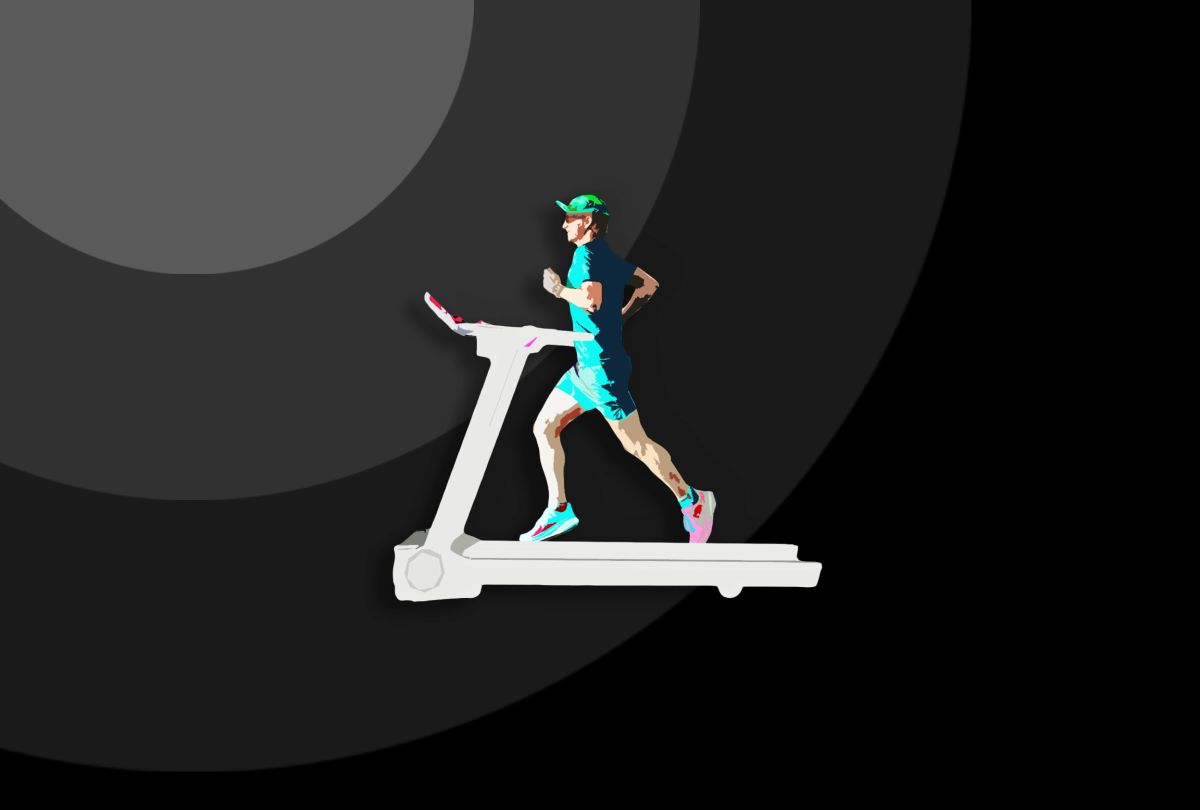
The main downside: it can feel monotonous, and the belt does some of the work for you (a 0% incline treadmill is slightly easier than flat road running). Setting a 1% incline compensates for this.
Outdoor running gives you fresh air, varied terrain, and the kind of scenery that makes a 30-minute run feel nothing like 30 minutes on a belt. It also better prepares you for racing, since you're navigating real surfaces and gradients. The downside is weather dependency and the need to find a suitable route.
For most beginners, mixing both works well. Start on the treadmill if the weather or your confidence level calls for it, and build toward running outside as your fitness improves.
Running for weight loss: what beginners need to know
Running is an effective tool for weight management, but it works best when paired with sustainable nutrition rather than used as a reason to eat more. A 30-minute easy run burns roughly 250-350 calories depending on your weight and pace.
A few honest notes:
Running for the first time often increases appetite. This is normal, and it doesn't mean running "isn't working." It's your body adapting to a new energy demand.
Consistency over intensity matters far more for weight management than any individual run. Three moderate runs per week, week after week, will produce better results than occasional all-out efforts followed by injury and rest.
Running also changes body composition even when the scale doesn't move: you may be building muscle while losing fat, which registers as no change in weight but a significant change in how you look and feel.
If weight loss is a primary goal, our cross-training for runners guide explains how adding strength work to your schedule makes running more effective, not less.
How to avoid the most common beginner running injuries
Most running injuries are overuse injuries, which means they're preventable. The most common culprits:
Shin splints are pain along the front of the lower leg, almost always caused by doing too much too soon. The run-walk method and gradual mileage increases are the primary prevention strategy. See our shin splints guide for how to manage and recover from them.
Runner's knee (patellofemoral pain) presents as aching around the kneecap, often on descents or after sitting for long periods. Strengthening the glutes and quads, and avoiding ramping mileage up too quickly, are key.
IT Band Syndrome: Fix Outer Knee Pain Fast (Runner’s 2026 Recovery Roadmap)
The exact strength-first plan that got me back to pain-free miles after two stubborn rounds; no filler, just the information that actually works
Alastair Dixon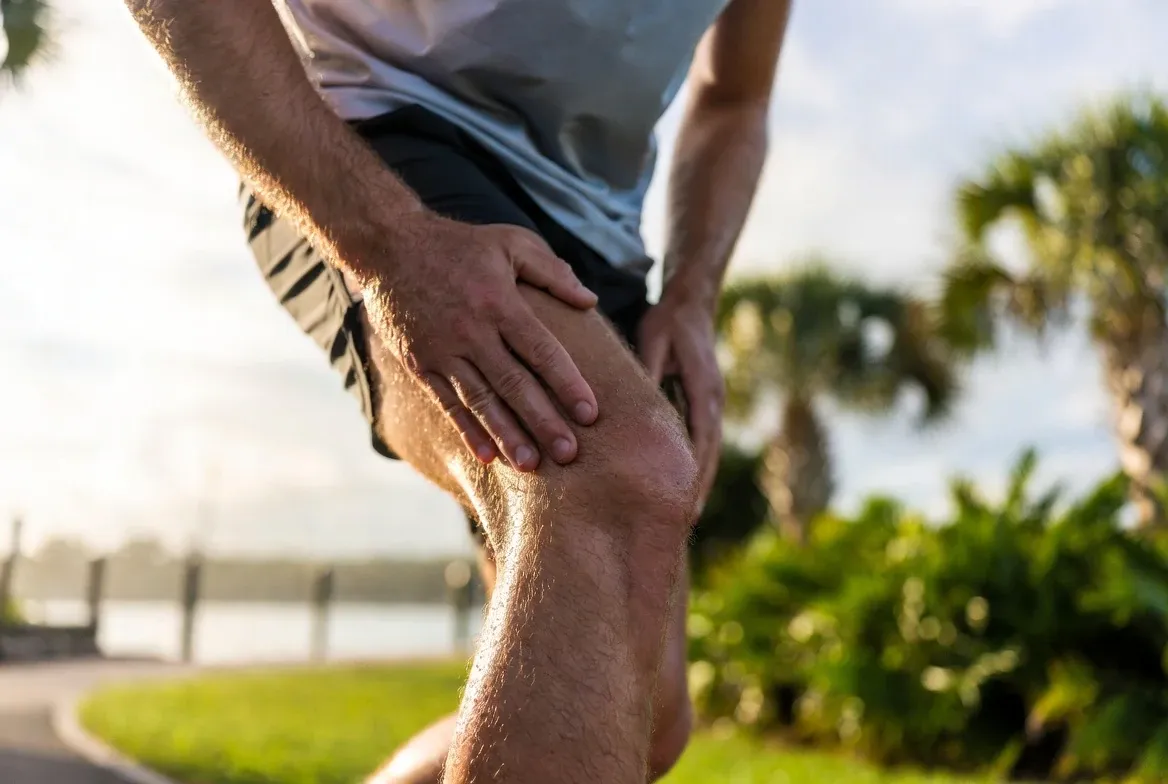
Blisters are almost always a sock or shoe fit issue. See the gear section above.
The golden rule: increase your weekly running volume by no more than 10% per week. This simple heuristic prevents the vast majority of overuse injuries.
Finding good places to run
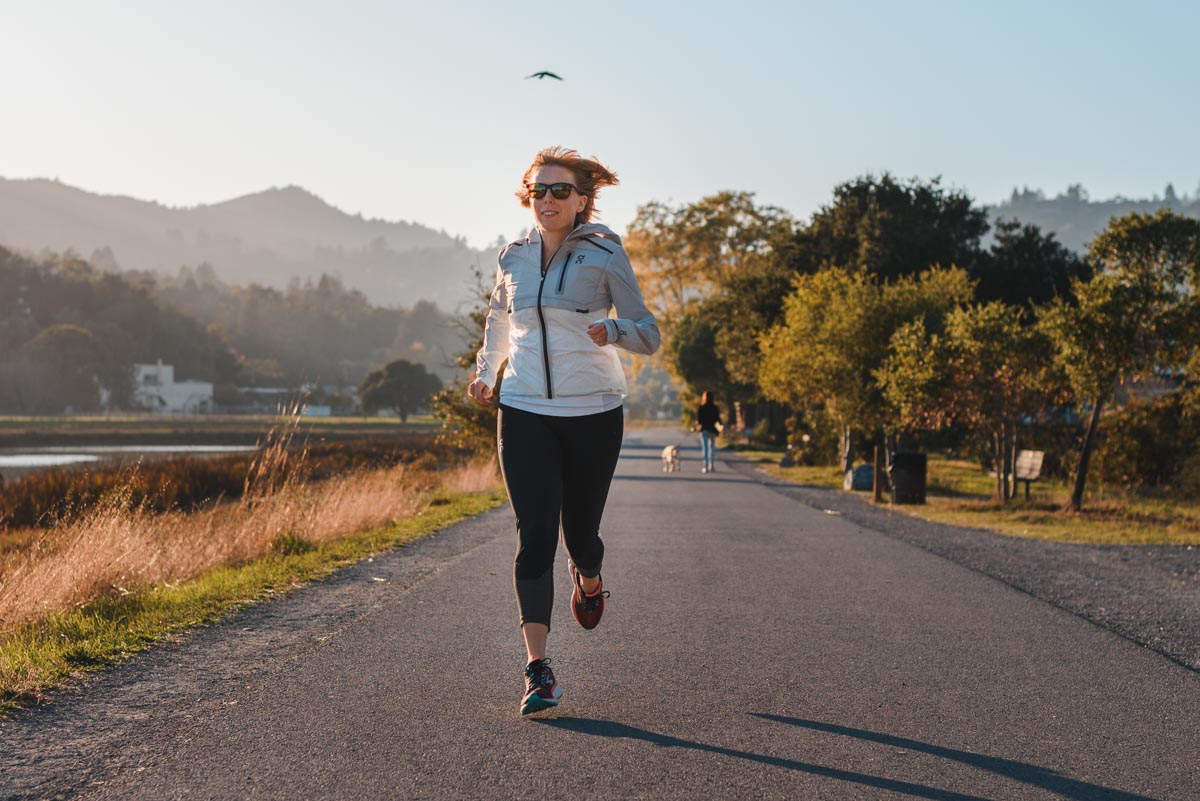
The ideal running location is traffic-free: parks with footpaths, dedicated bike and pedestrian trails, wide sidewalks with minimal crossings, school tracks (often open outside school hours), or a treadmill.
For route discovery, the Strava app's heatmap shows where runners in your area actually run, which is a reliable proxy for decent routes. AllTrails is excellent for finding off-road paths and trails. Google Maps in terrain view with the biking layer turned on reveals dedicated paths you might not know exist.
Ready to try trail running?
Once you have a few months of road running under your belt, trail running is a natural and hugely rewarding next step. Running on dirt, grass, and natural surfaces is easier on your joints than pavement, forces you to slow down and be present, and opens up access to genuinely beautiful places.
Our beginner's guide to trail running covers everything: terrain, shoes, pacing, navigation, and how to make the transition from road to trail without getting overwhelmed.
Trail Running for Beginners – An Easy Guide to Get Started on Local Trails
How to start trail running like choosing your first trail, knowing what gear you need, running safely on uneven ground, and building confidence without chasing pace.
Alastair Dixon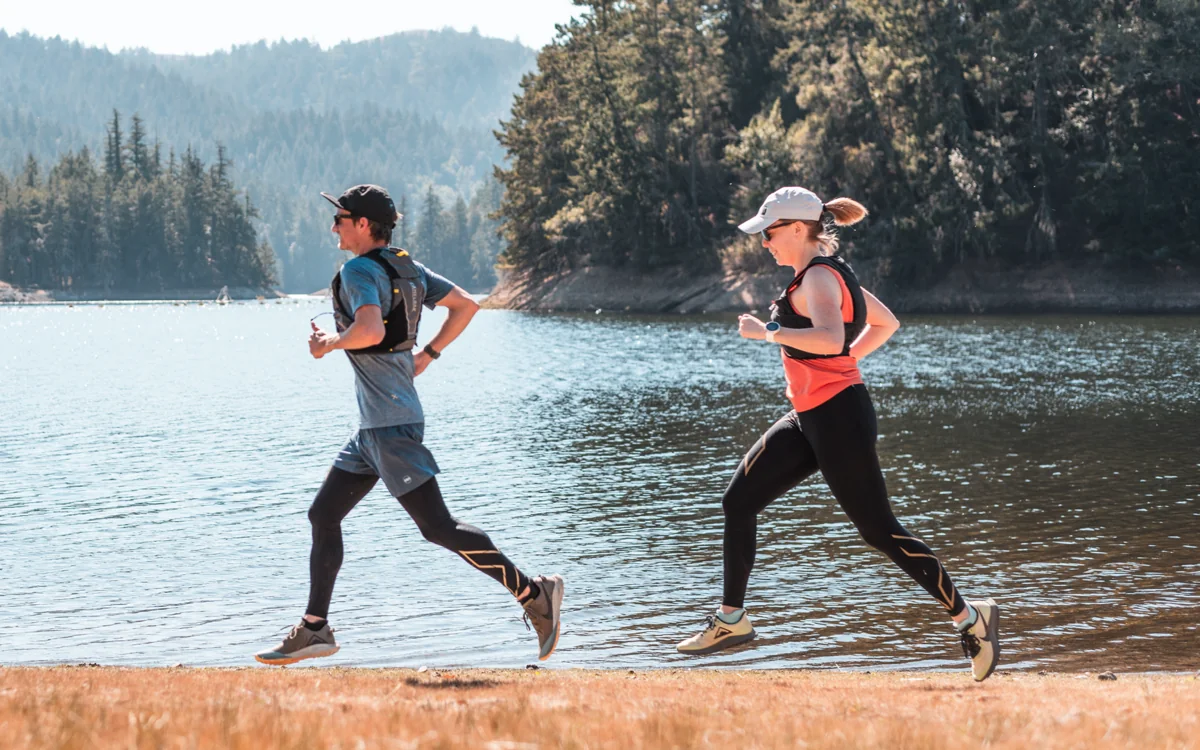
Frequently asked questions
How far should a beginner run for the first time?
For most beginners, 1-2 miles (with walk breaks) is a reasonable first outing. The exact distance matters far less than keeping the effort comfortable and finishing without injury. If you're using the run-walk method, aim for 20-25 minutes total including the walking intervals.
How long does it take to get used to running?
Most beginners notice meaningful improvement in how running feels within 3-4 weeks of consistent training. The breathlessness and heavy legs of the first few sessions improve noticeably once your cardiovascular system starts to adapt. By weeks 6-8, many beginners find running genuinely enjoyable for the first time.
Is it okay to run every day as a beginner?
No, and it's counterproductive. Rest days allow your muscles, tendons, and bones to repair and strengthen. Running on consecutive days before your body has adapted significantly increases injury risk. Three runs per week with rest days in between is the right starting point.
What should I wear for running as a beginner?
At minimum: properly fitting running shoes and moisture-wicking socks. Technical running clothes (not cotton) improve comfort significantly, especially in warm weather or on runs longer than 20 minutes. Women will want a high-impact sports bra.
Can I start running if I'm overweight?
Absolutely. Running is one of the most effective activities for improving fitness and managing weight regardless of your starting point. The run-walk method is particularly well-suited for heavier runners: it reduces the impact loading per session and gives your joints time to adapt. Starting on softer surfaces (grass, trails, treadmill) can also reduce impact while your body adjusts.
How do I start running in the morning?
The practical answer: prepare the night before. Set your kit out, sleep in your running clothes if you have to, and treat the first 10 minutes as non-negotiable (you can always stop after that, but you rarely will).
How to become a morning runner—and stay one
How to make early runs easier than skipping them—real tips for building a morning running habit that actually sticks.
Alastair Dixon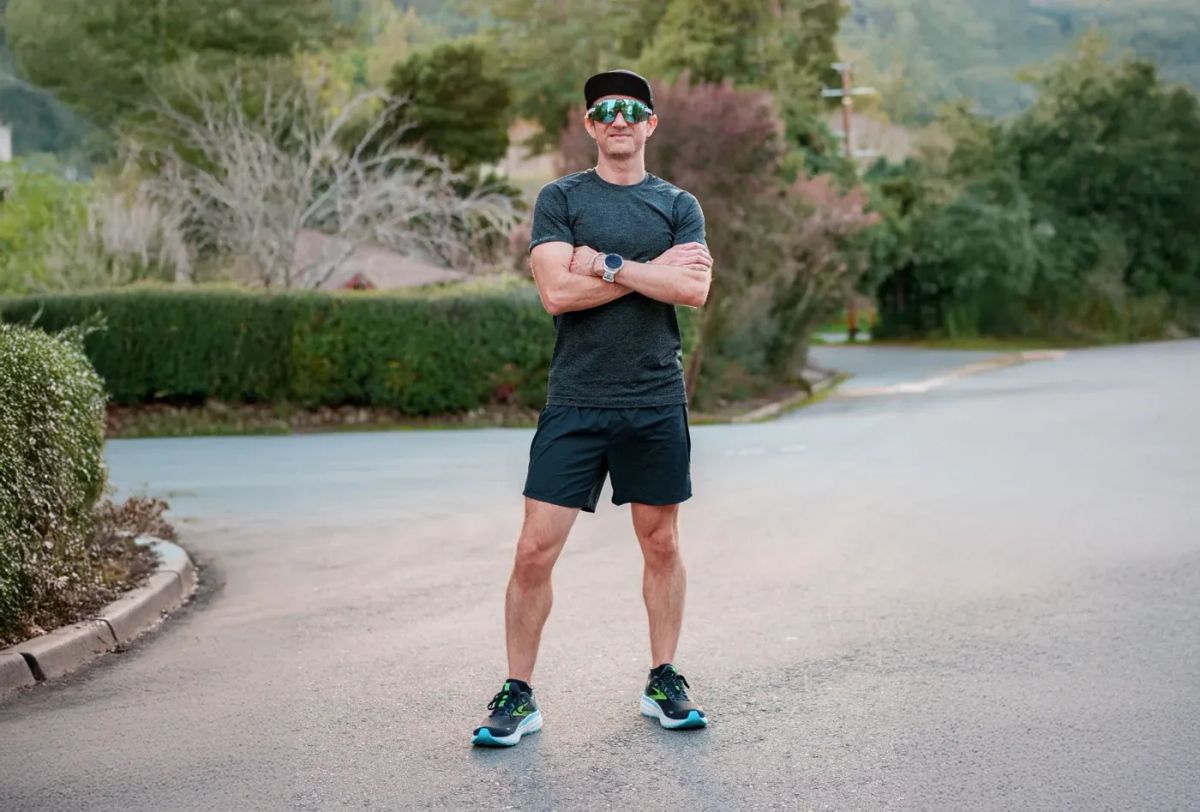
The motivation to run is a feeling that often arrives during the run rather than before it.
What's the best way to start running again after a long break?
Treat yourself like a beginner, regardless of what you could do before. Previous fitness means you'll progress faster than a true first-timer, but it doesn't protect you from overuse injuries if you try to resume at your old level.
Couch to 5K, 10K, Half Marathon Training Plan Generator
Build a free couch to half marathon training plan from scratch. Also covers couch to 5K and 10K. Beginner-friendly, road and trail, starting from zero.
Alastair DixonStart with the run-walk structure and rebuild over 4-6 weeks before pushing for continuous running.
My verdict
Starting running is simpler than most guides make it sound. Invest in decent shoes, follow a run-walk structure, add a couple of minutes to your running intervals each week, and give yourself 8 weeks before judging whether it's working.
Almost everyone who sticks with that process ends up running a 5k. Many end up running a lot further.
If you want a plan that does all the thinking for you, our Trail & Kale training plan generators (both the Couch to Runner version and the full race-distance generator) are the most practical next step.
⬆ Ready to gain access to OUR tools for Runners & HIKERS?
Subscribe to a free account to reveal our Training Plan Builders and get extra perks like access to exclusive content, training tools, gear roundups, community comments, and our newsletter.
Written by

Subscribe to new posts
and discover the best gear, healthy foods, and life outdoors.









Member discussion