
Best Trail Running Shoes for Hiking, Tested Across Every Terrain
The best trail running shoes for hiking handle pavement, gravel, dirt, and everything in between; here are my top picks across road-to-trail and all-mountain, personally tested.

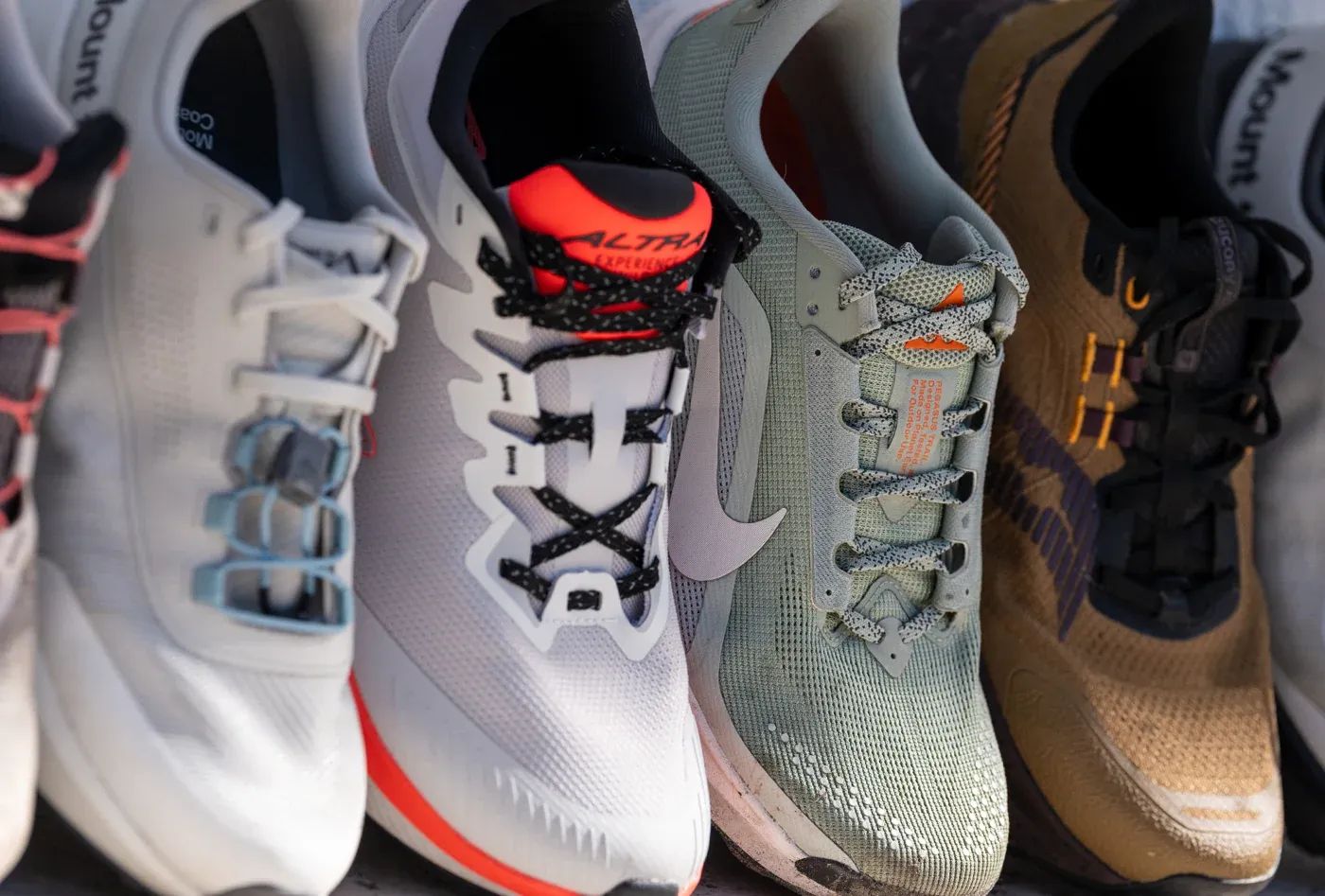
Trail running shoes and hiking shoes used to be completely different categories. One was built for speed, the other for durability and ankle support.
For a full guide across all categories and use cases, see my best trail running shoes roundup.
But for most of the running and hiking I actually do; mixed-surface days that involve road, gravel, dirt trail, and the occasional scramble, a good trail running shoe does everything a hiking shoe does, just lighter and faster.
These are my current top picks for trail running shoes that work brilliantly for hiking: shoes with enough grip, protection, and durability to handle a full day on the trail, without the bulk of a traditional hiking boot.
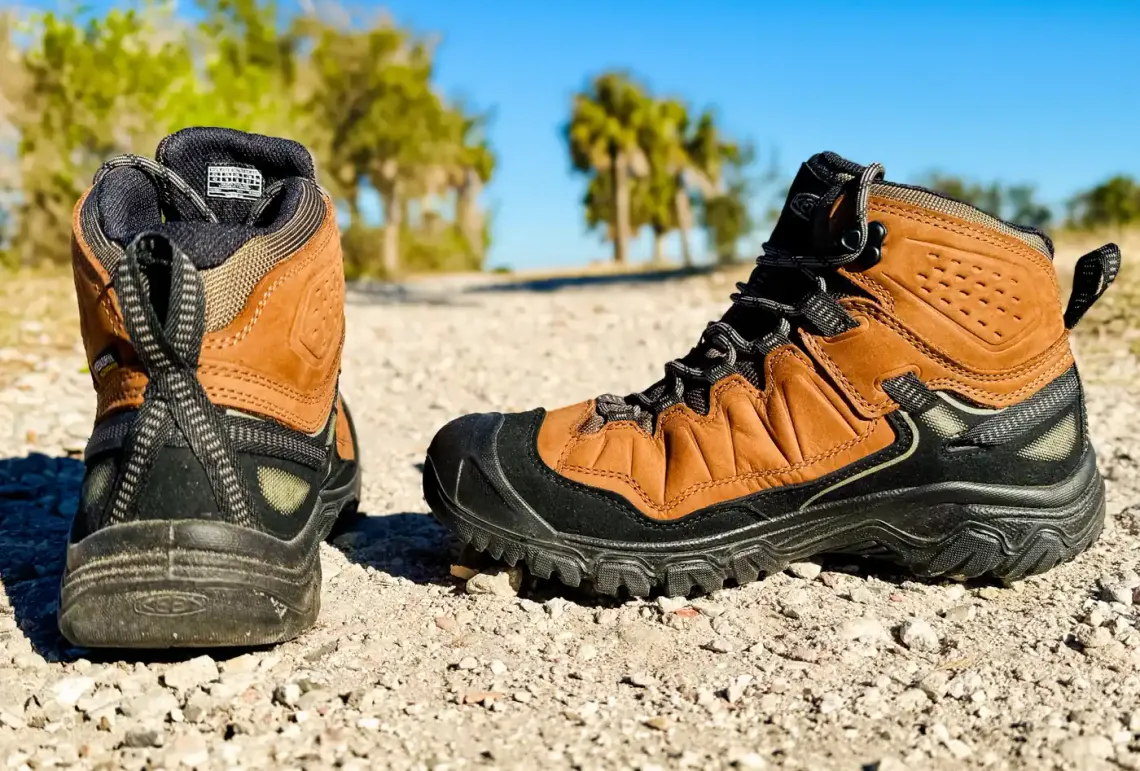
If you'd rather have ankle coverage and more protection, start with these best hiking boots instead.
If you purchase through links in this article, we may earn a small affiliate commission.
Quick picks
- Nike ACG Pegasus Trail — Best overall road-to-trail | $155
- Altra Experience Wild 3 — Wide feet, zero drop | $150
- Mount To Coast H1 — Lightweight, road-heavy routes | $160
- Saucony Xodus Ultra 4 — All-mountain, technical terrain | $160
- Mount To Coast T1 — Lightweight all-mountain | $180
- Salomon Ultra Glide 4 — Smooth mountain trails | $160
Get outside and go hiking for the first time
A beginner-friendly guide to hiking basics, what to wear, what to bring, and the 10 Essentials checklist.
 Alastair Dixon
Best road-to-trail shoes for hiking
These are the picks for runners and hikers who mix surfaces from pavement to gravel to trail, and want one shoe that handles all of it without compromise.
They feature lower-profile lugs, smooth road transitions, and enough outsole grip to stay confident once you leave the tarmac.
Nike ACG Pegasus Trail — Best overall
Price: $155 at nike.com | 5 colorways available
Nike ACG Pegasus Trail review: best road-to-trail shoe?
The Nike ACG Pegasus Trail is a versatile road-to-trail running shoe with improved grip, more cushioning, and a wider fit. Here’s who it’s for and how it runs.
Alastair Dixon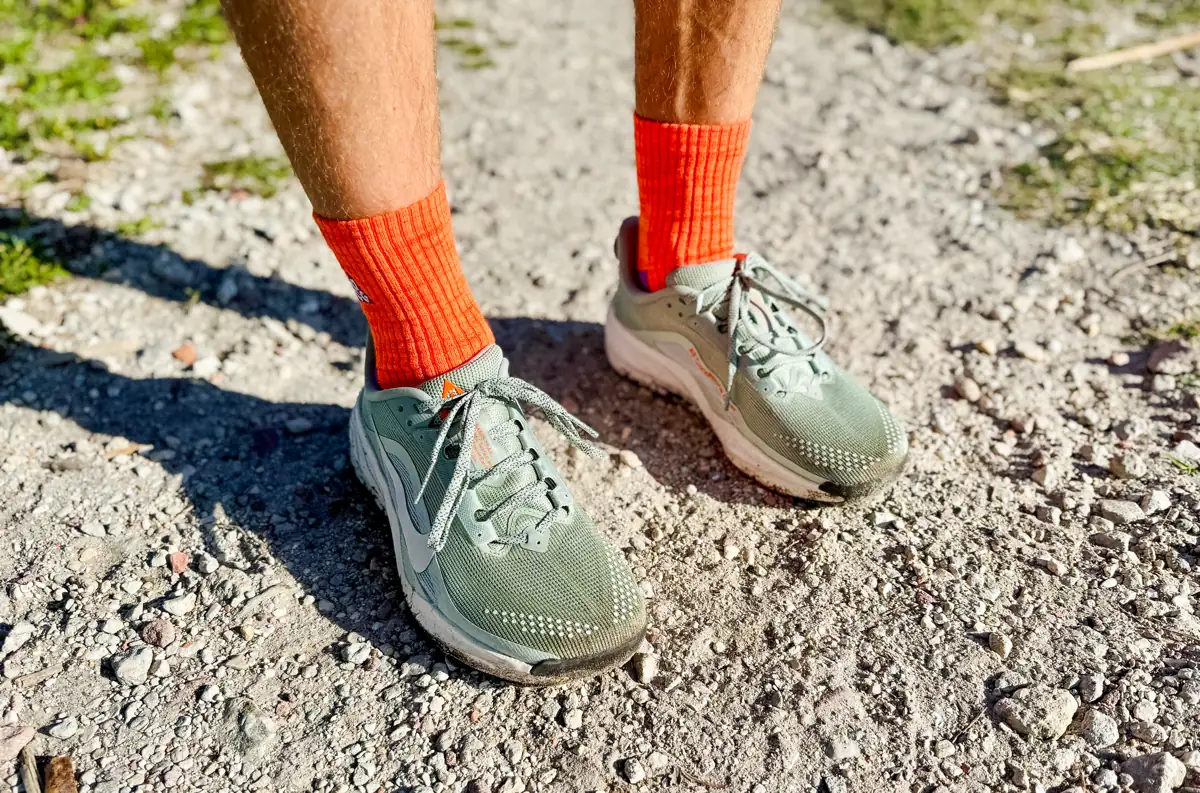
Weight: 10.1 oz (286g) | Drop: 8mm | Stack: 35mm heel / 27mm forefoot | Fit: True to size, medium width — wider and taller toe box than the previous Peg Trail 5
If your hiking days involve a mix of road, gravel, and trail (and most do) the ACG Pegasus Trail is the shoe I'd point you to first. It's built to move seamlessly between surfaces without you having to think about it, which is exactly what you want when your route changes character every half mile.
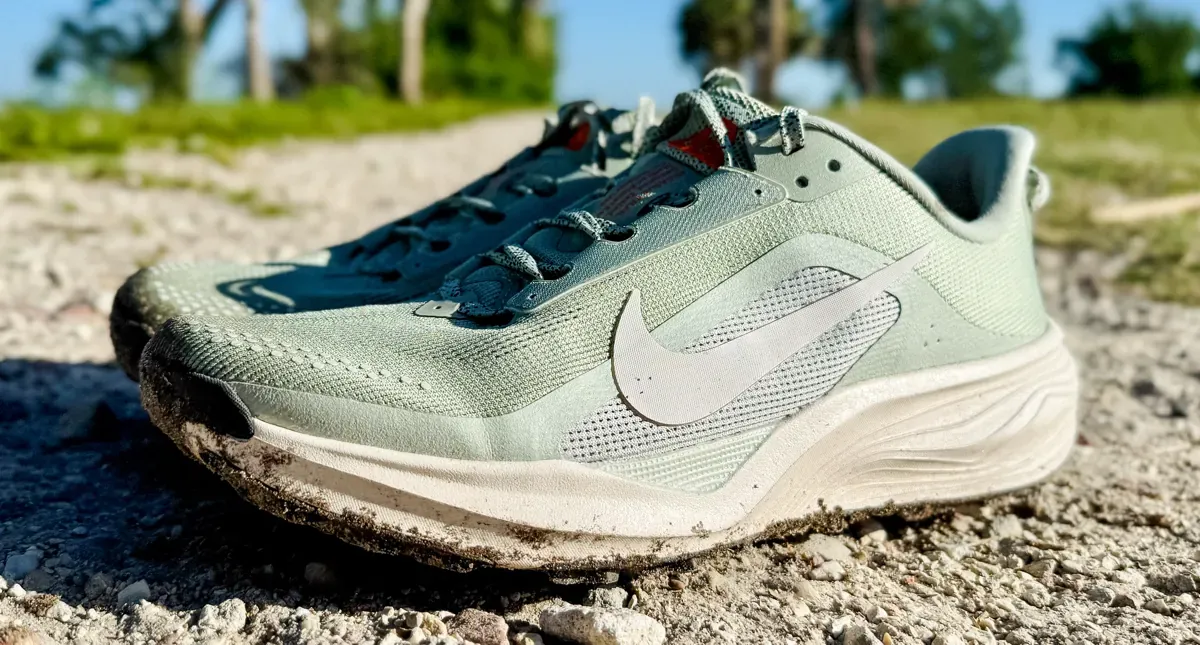
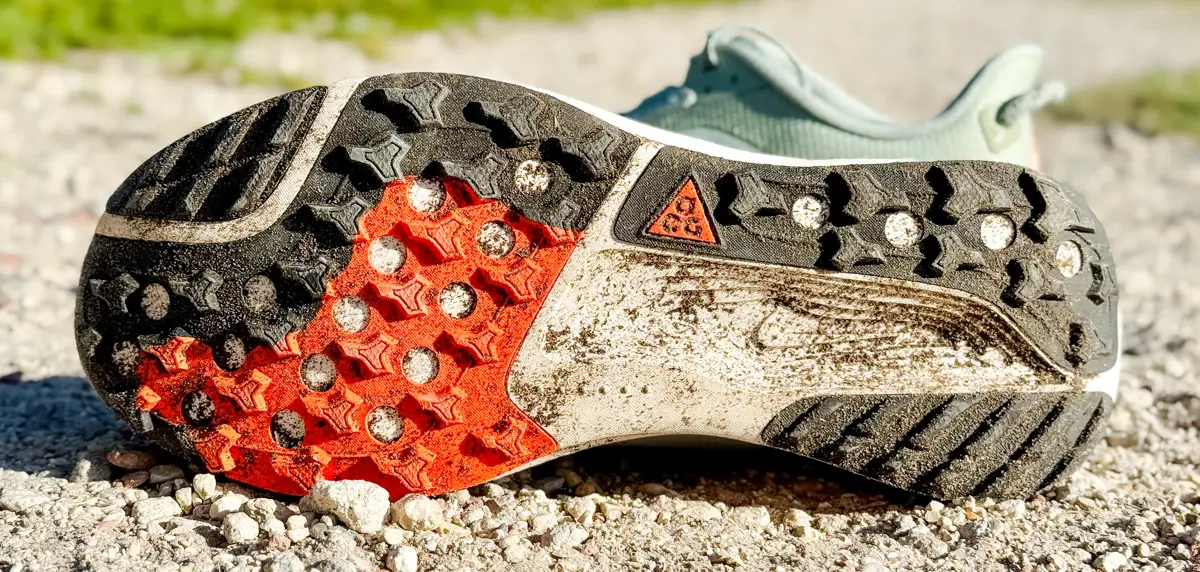
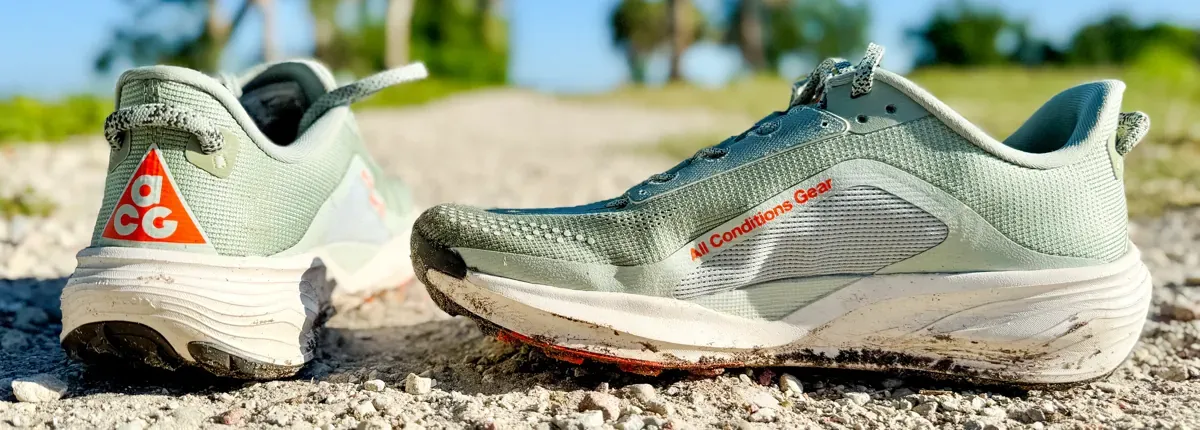
The ReactX midsole delivers cushioning that holds up over a full day on your feet rather than packing out by mid-afternoon, and the new ATC 2.0 outsole grips confidently on wet dirt, damp grass, and loose gravel without grinding inefficiently when you hit tarmac.
The wider, taller toe box is a genuine hiking benefit too as your foot naturally swells and spreads over long days, and the room here means you won't be fighting the shoe by mile ten.
The one honest caveat: if you're regularly hiking in deep mud, the lug depth isn't aggressive enough. But for mixed-terrain hiking across road, gravel, and trail, this is as capable as it gets at this price.
Best for: Mixed-surface hiking, road-to-trail days, all-conditions versatility, active hiking and fastpacking
Altra Experience Wild 3 — Best for wide feet
Price: $150 at Altra
Altra Experience Wild 3 review: a road-to-trail hybrid tested
The Altra Experience Wild 3 is a versatile hybrid trail running shoe with lively new midsole foam, a roomy fit, and confident grip across mixed terrain. Here’s what you need to know.
Alastair Dixon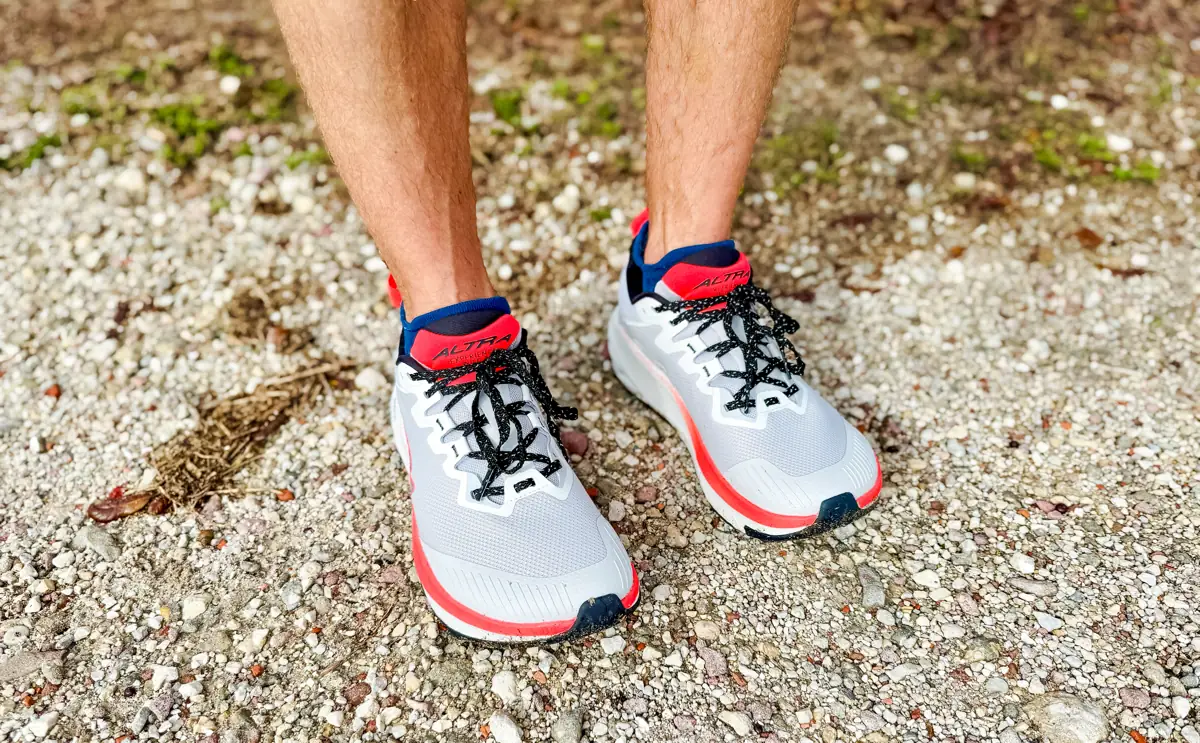
Weight: 9.0 oz | Drop: 0mm | Fit: Roomy fit, generous Altra FootShape toe box — excellent for wide and narrow feet
The Experience Wild 3 is on ne of the best road-to-trail options for hikers who want a natural, foot-shaped fit.
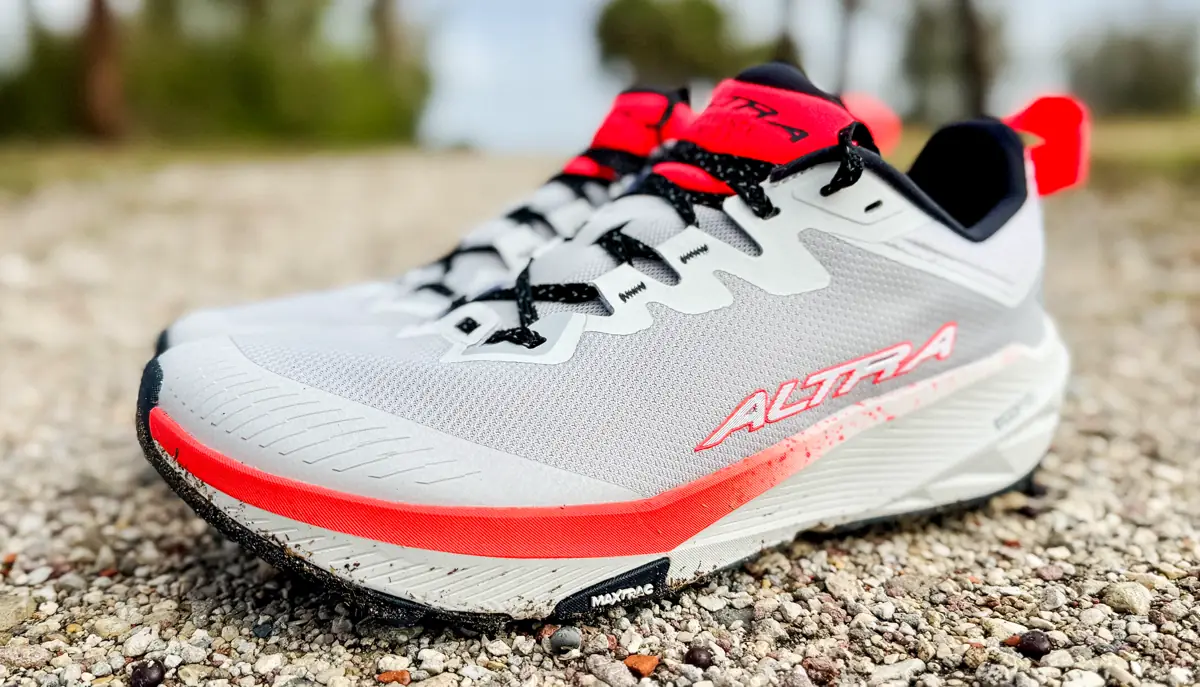
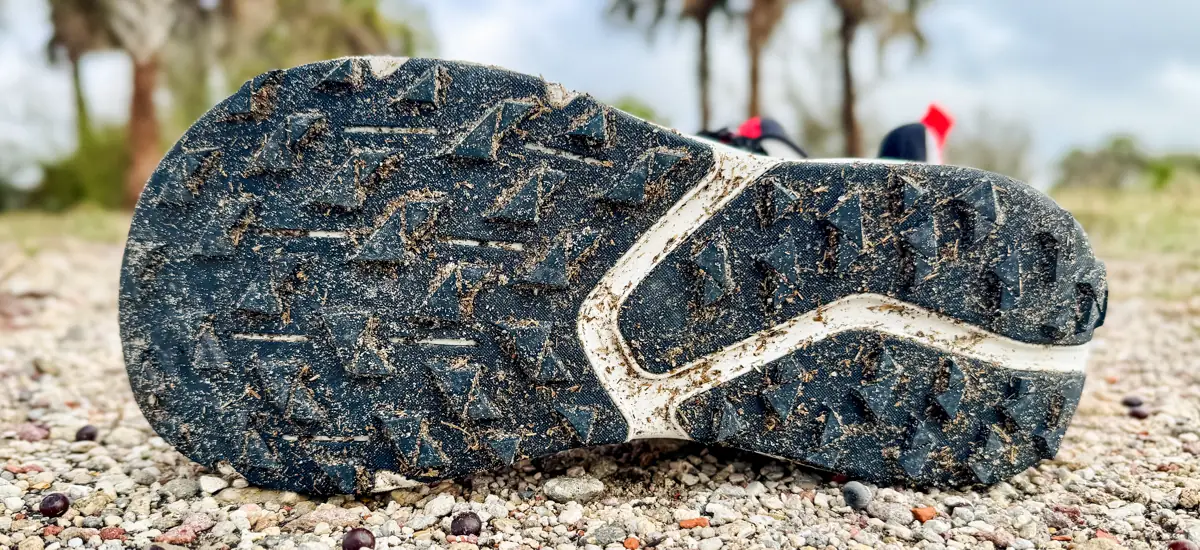
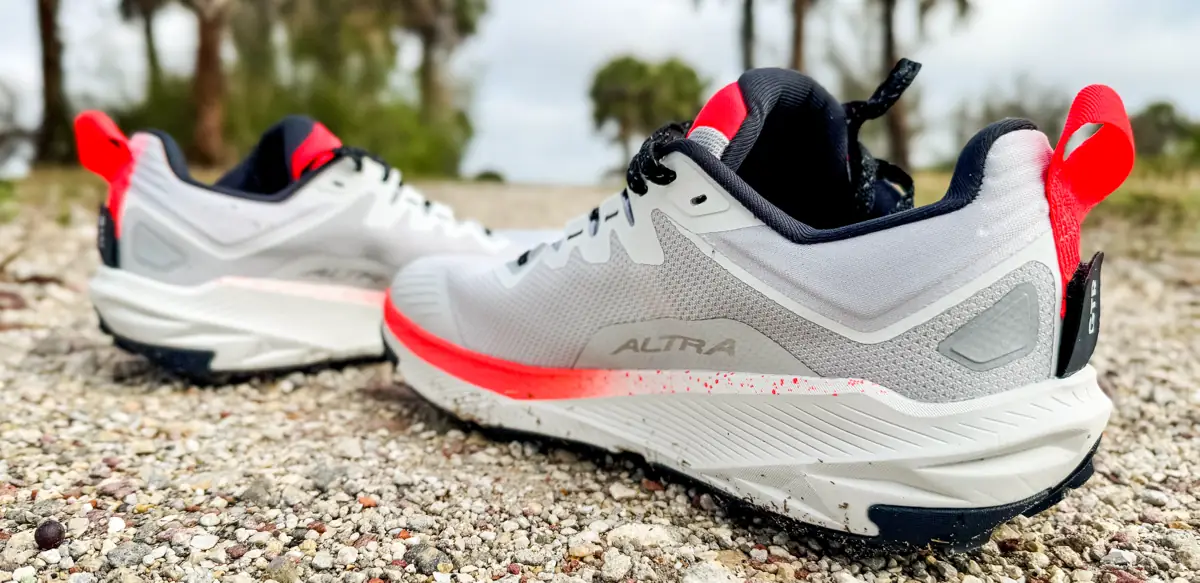
The zero-drop platform suits people who want to move in a more natural position on trail, and the roomy toe box is genuinely excellent for hiking — your toes have room to spread naturally on descents, which reduces fatigue and hotspots on longer days.
New midsole foam is lively and responsive, and the outsole grip is confident on packed trail and light off-road terrain.
Best for: Wide feet, zero-drop preference, mixed terrain, natural foot movement on trail
Mount To Coast H1 — Best lightweight option for road-heavy routes
Price: $160 at Mount To Coast
Mount to Coast H1 review: road-to-trail running shoe tested
The Mount to Coast H1 is a lightweight, lively road-to-trail hybrid with a surprisingly premium ride and durable construction. Here’s who it’s for and how it performs.
 Alastair Dixon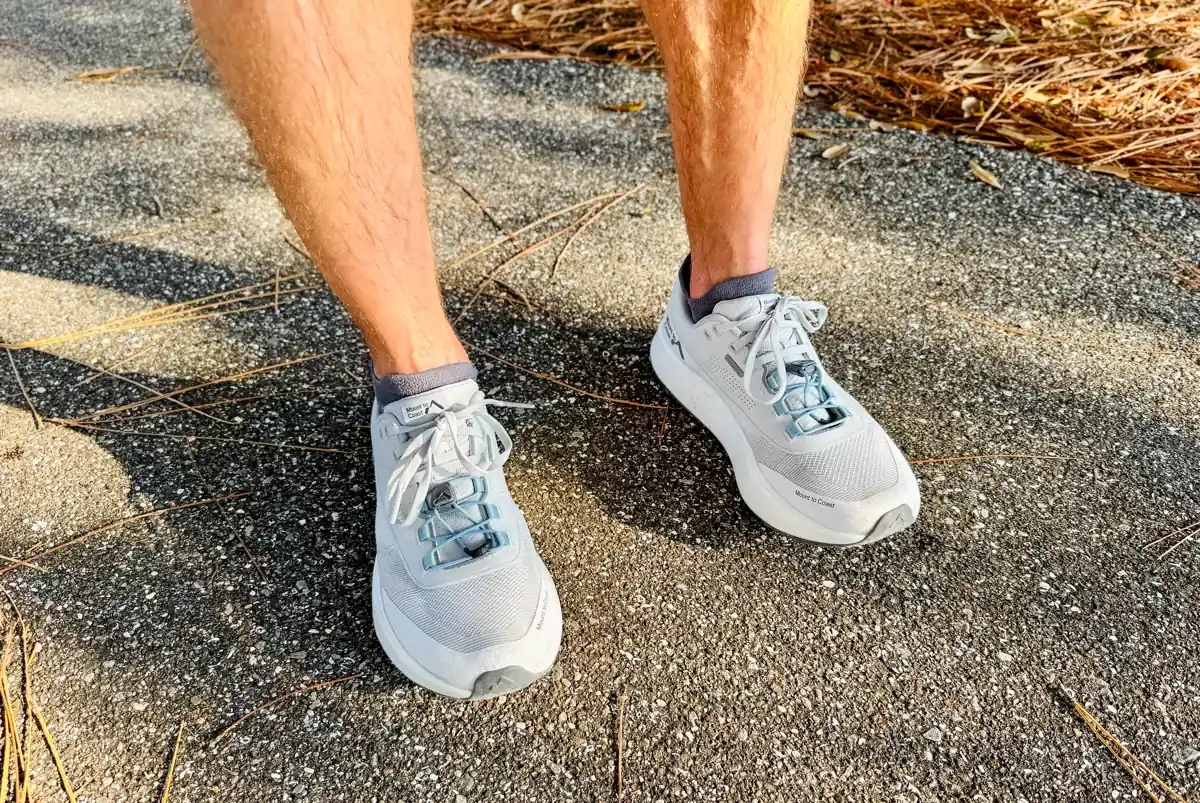
Weight: 8.6 oz (244g) | Drop: 6mm | Fit: True to size, roomy toe box, narrower midfoot
The lightest and most road-friendly shoe in this category. The H1 uses Mount To Coast's CircleCELL™ midsole foam, which feels more like a lively road trainer than a traditional trail shoe; your pavement miles get a smooth, energetic roll while the shoe still holds its shape on gravel and hardpack.
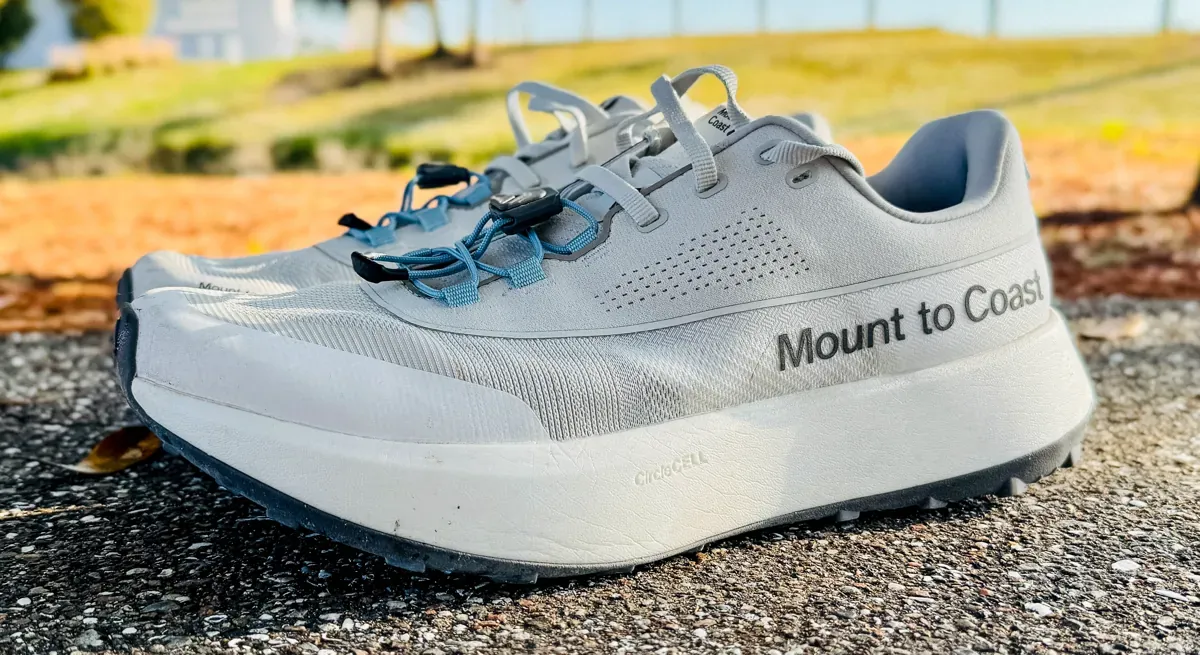
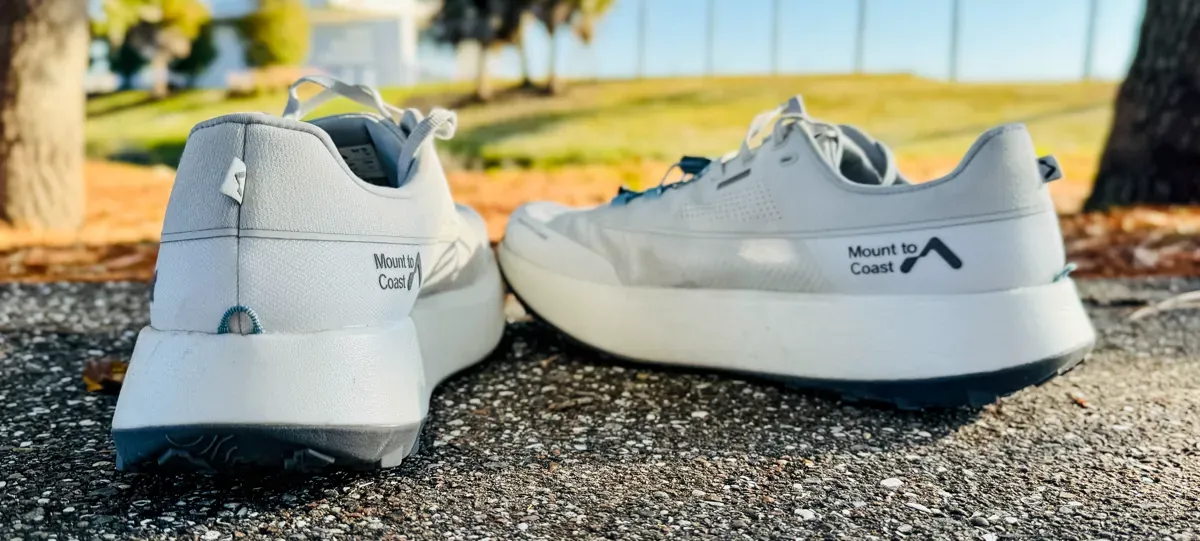
If a big chunk of your hiking day involves road or packed gravel connectors, this is the most efficient option in the roundup for those sections.
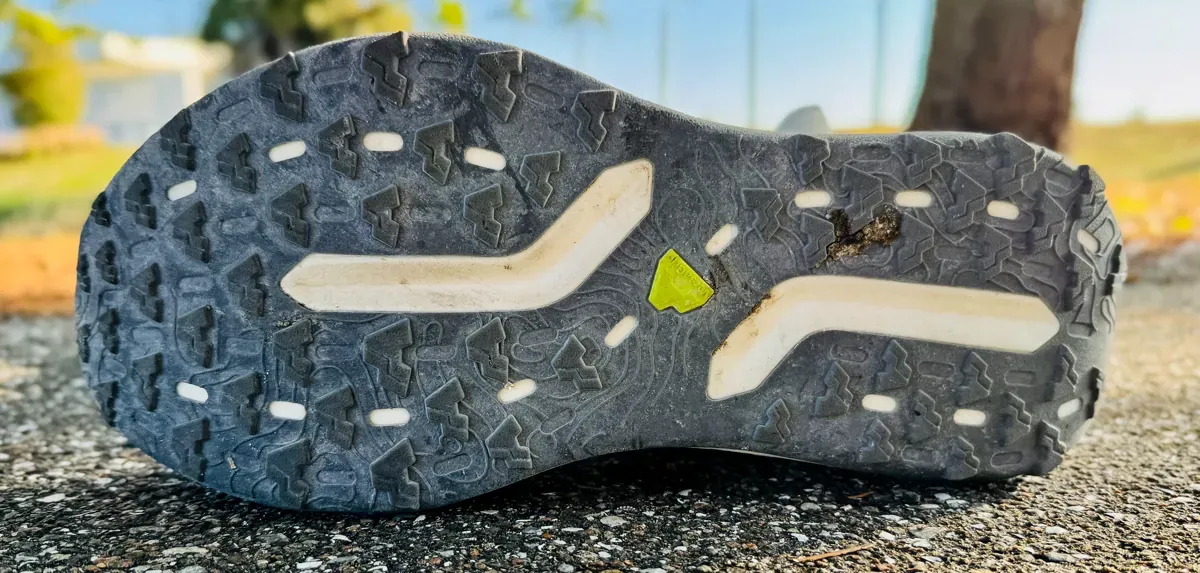
The VersaGrip™ outsole brings excellent grip on pavement, fine gravel, and dry forest paths.
The honest caveat: the shallow 2mm lugs cap its confidence in mud, loose dirt, and steep technical terrain. Be honest with yourself about your routes, if they're mostly roads and mellow trails with no mud and nothing technical, the H1 earns its place here convincingly.
Best for: Road-dominant mixed routes, lightweight preference, dry to mixed terrain, hikers who want something bouncy and fast-feeling
Best all-mountain trail running shoes for hiking
These are built for more serious terrain — technical singletrack, rocky trails, long mountain days, and conditions where you need maximum grip, foot protection, and durability. They handle pavement too, but they're at their best in the hills.
Saucony Xodus Ultra 4 — Best all-mountain pick
Price: $160 at Saucony
Saucony’s Xodus Ultra 4 digs deep for all-day trail comfort and grip
Built for long distances and sketchy terrain, this rugged trail shoe prioritizes protection, grip, and comfort over all out speed but that’s what makes it the best all-round trail running shoe right now.
Alastair Dixon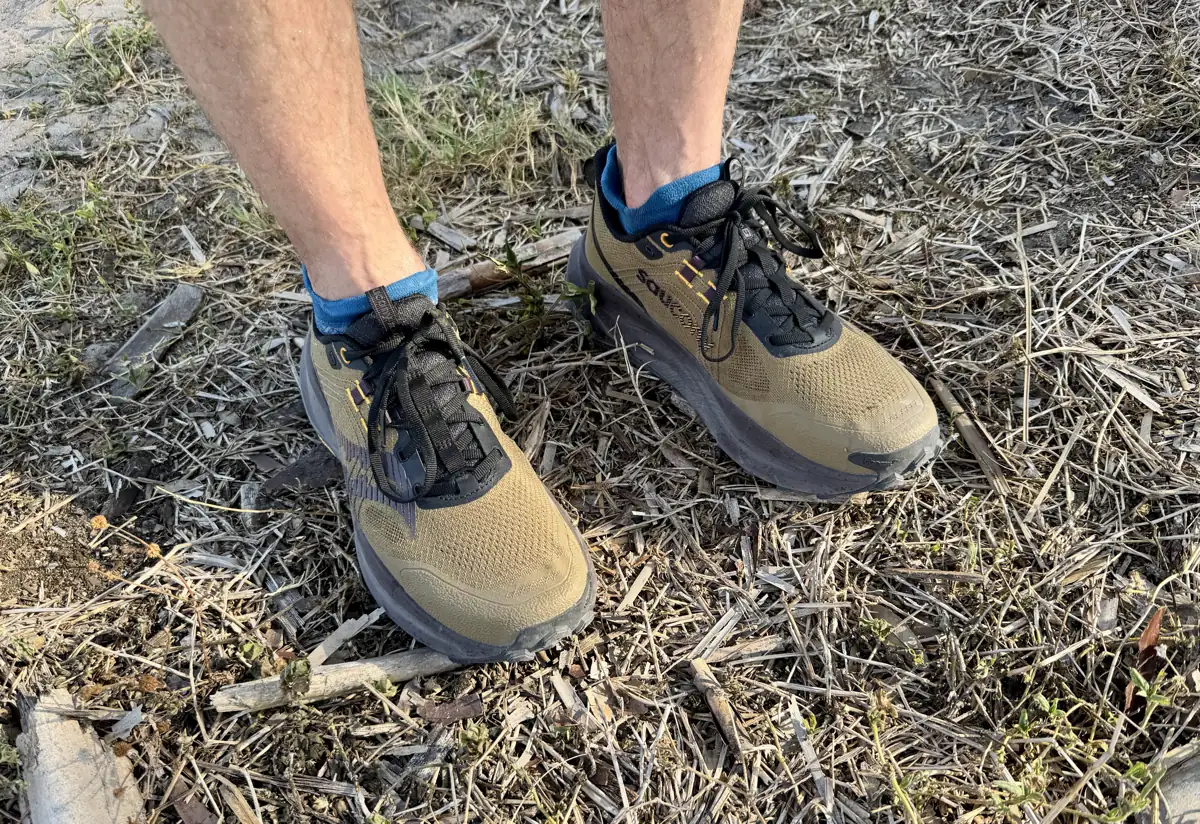
Weight: 10.7 oz (303g) | Drop: 6mm | Fit: True to size, medium width
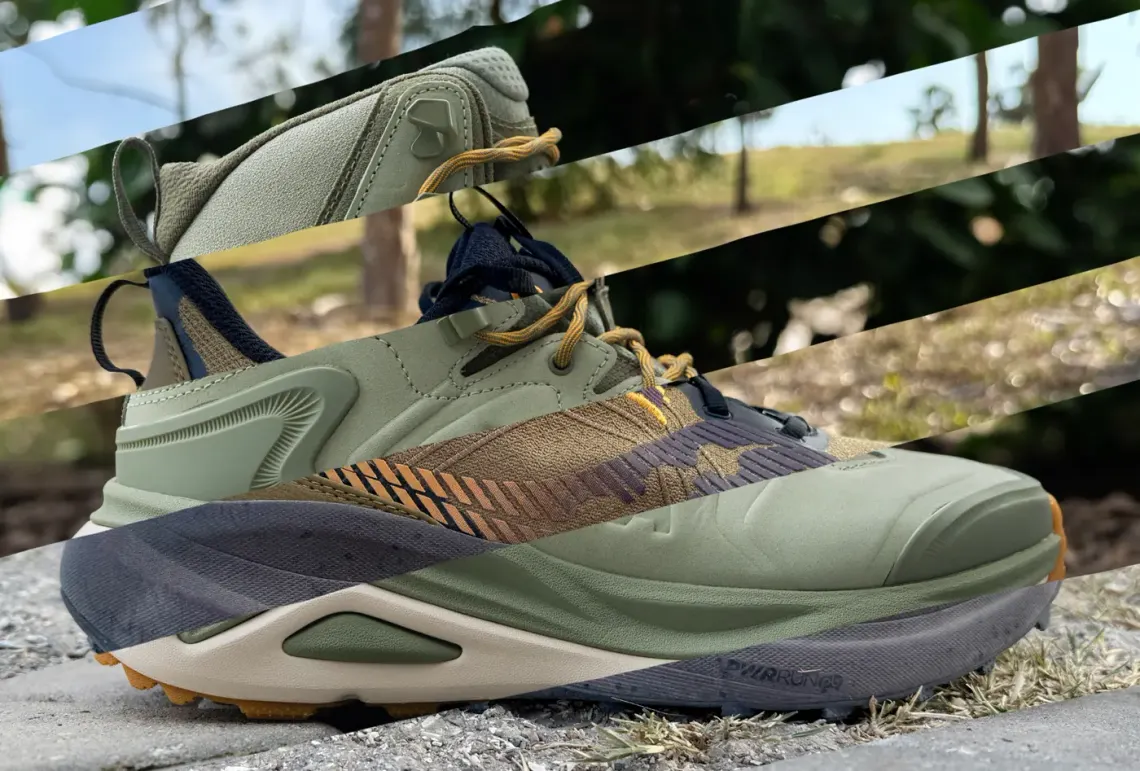
My current #1 all-mountain recommendation for 2026, and an excellent hiking shoe too. The Xodus Ultra 4 is soft, protective, and grips everything.
PWRRUN PB foam stays lively deep into long efforts, Vibram Megagrip handles mud, wet rock, and technical terrain with total confidence, and the bathtub construction keeps debris out when things get rough.
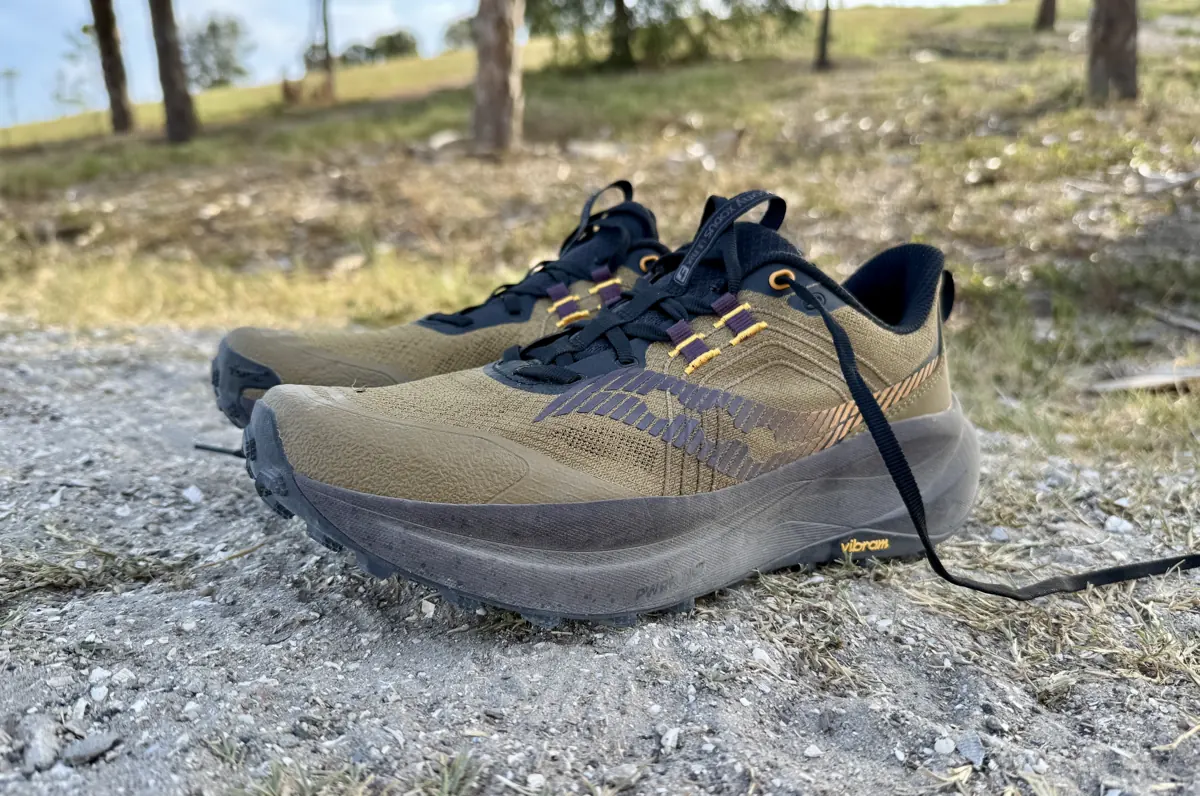
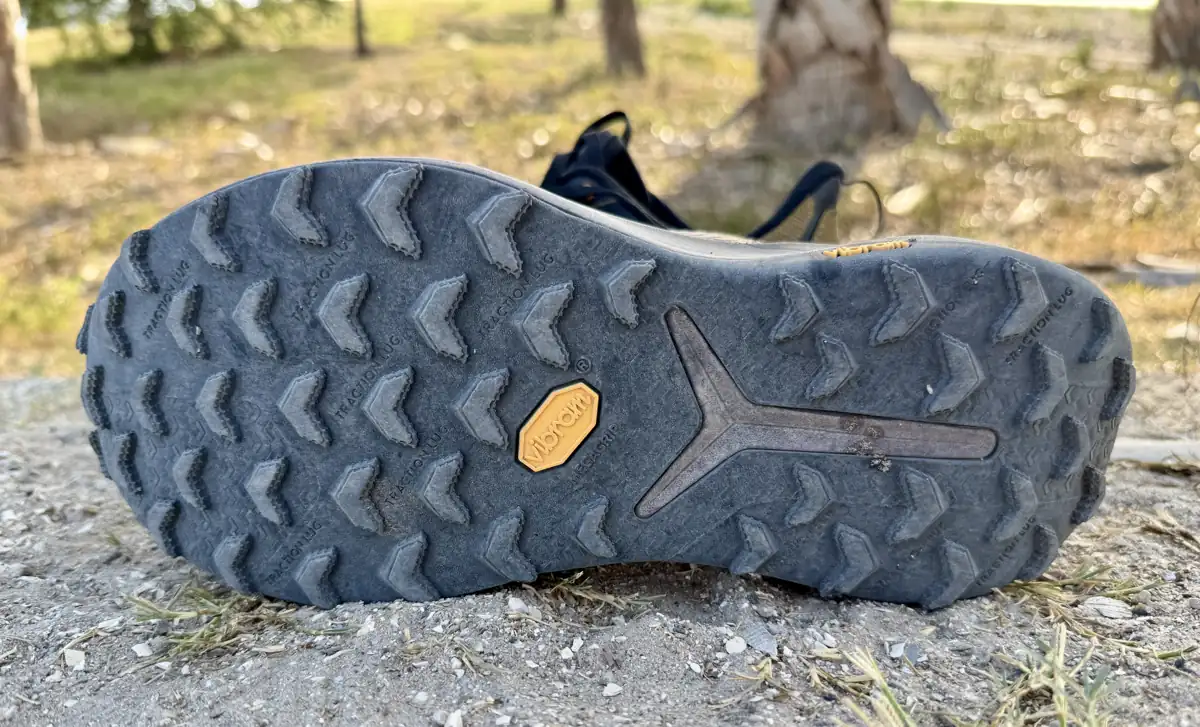
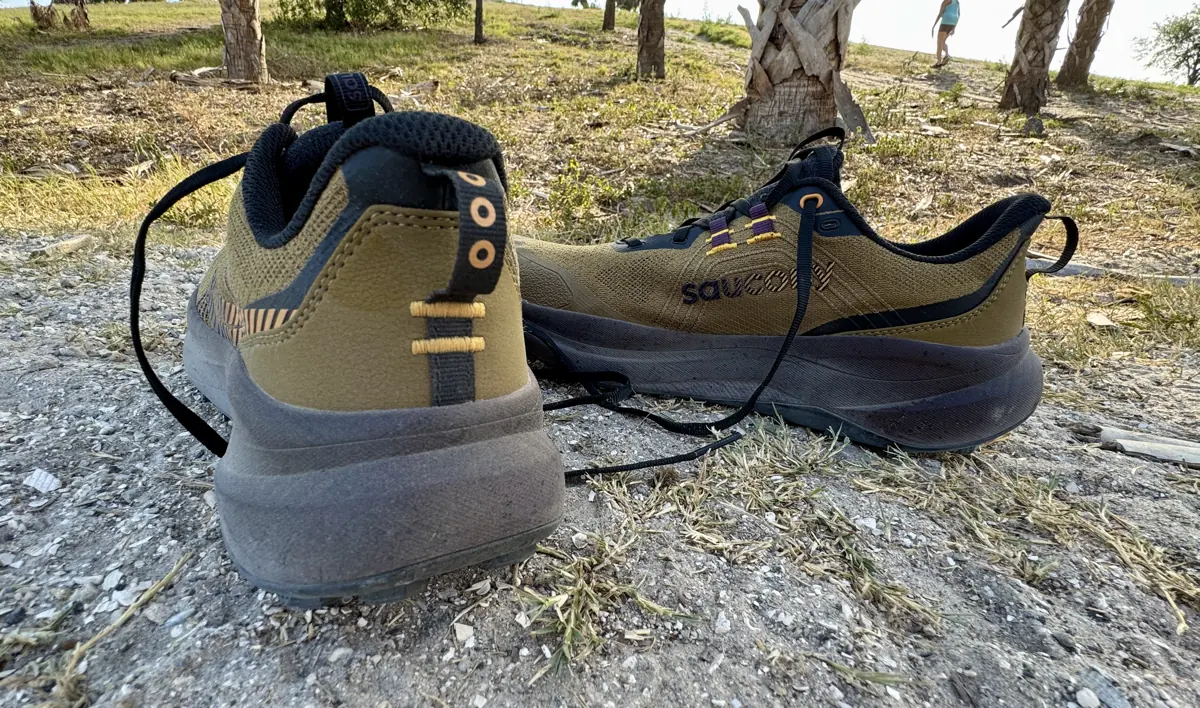
For full-day hiking in proper mountain terrain, the combination of protective cushioning and Vibram outsole is hard to beat. The best thing about this shoe is how well it does everything: fast fire roads, technical singletrack, long mountain days. It doesn't ask you to compromise.
Best for: Technical trail, all-day mountain hiking, wet and muddy conditions, long distances, carrying a pack
Mount To Coast T1 — Best lightweight all-mountain option
Price: $180 at Mount To Coast
Mount To Coast T1 Trail Running Shoes Review
All-mountain comfort, control, and grip. No break-in required, just lace up (twice), and hit the trails!
Alastair Dixon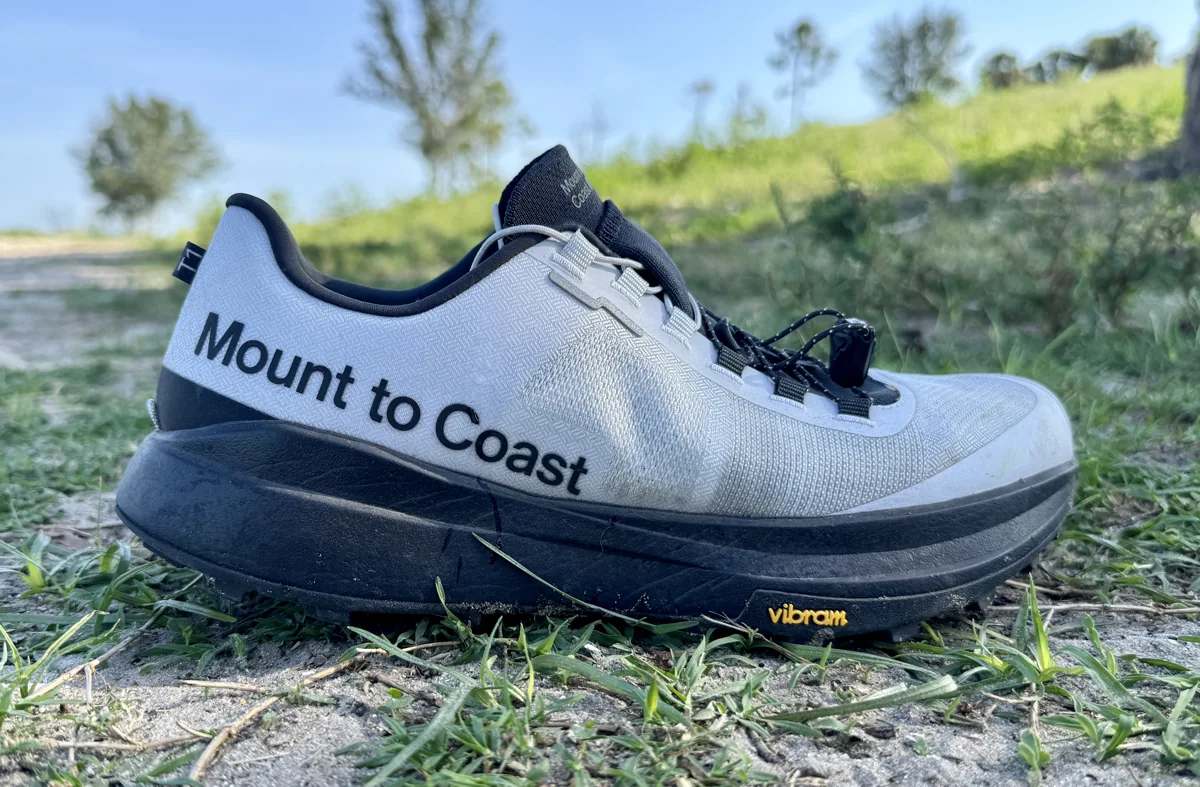
Weight: 9.1 oz (258g) | Drop: 4mm | Fit: True to size, medium width with a roomy toe box — accommodates wide and narrow feet well
One of the more surprising finds I've tested recently, and a strong pick if you want something a touch lighter and more nimble than the Xodus Ultra 4.
The T1 sits at a lower 4mm drop, which gives it a slightly more connected, natural feel underfoot while still offering real protection on rocky terrain. No break-in period needed — you just lace them up and go.
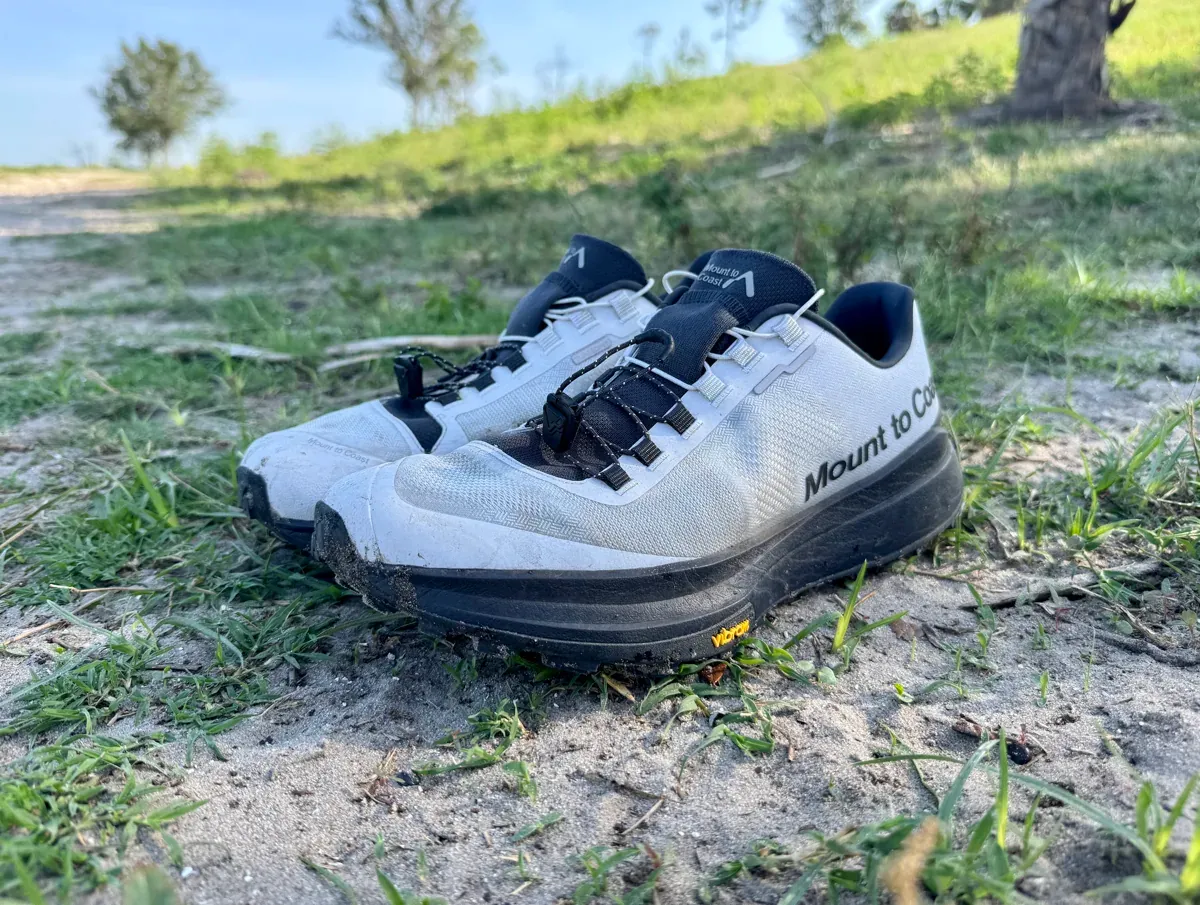
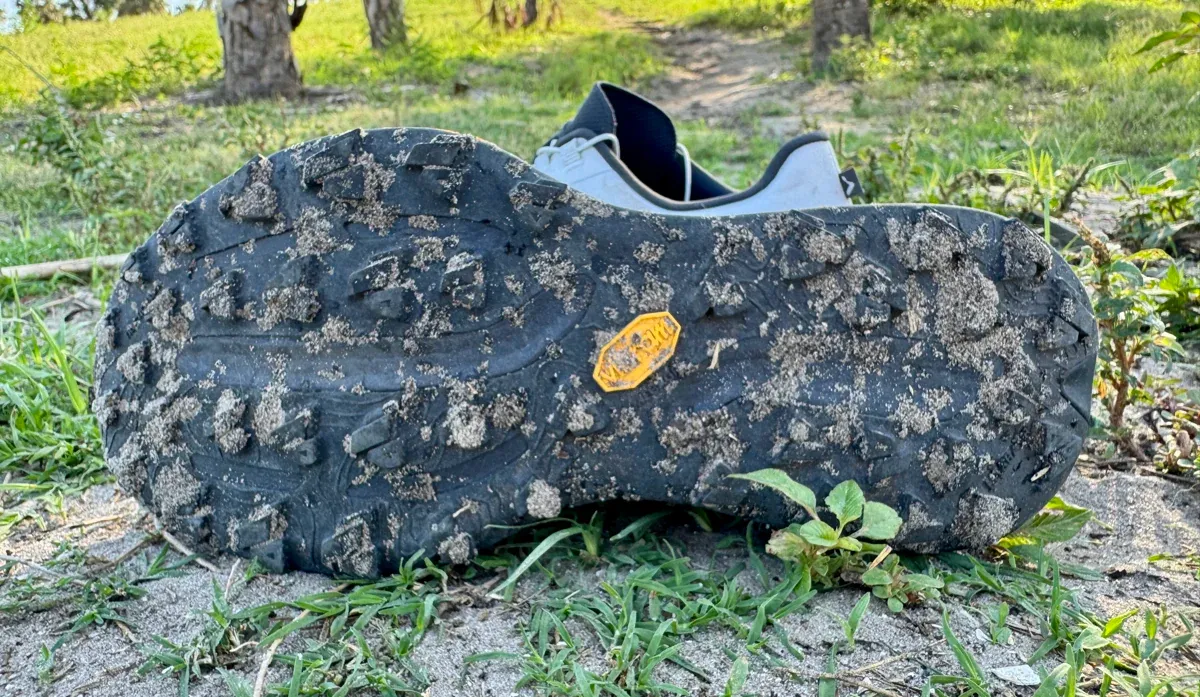
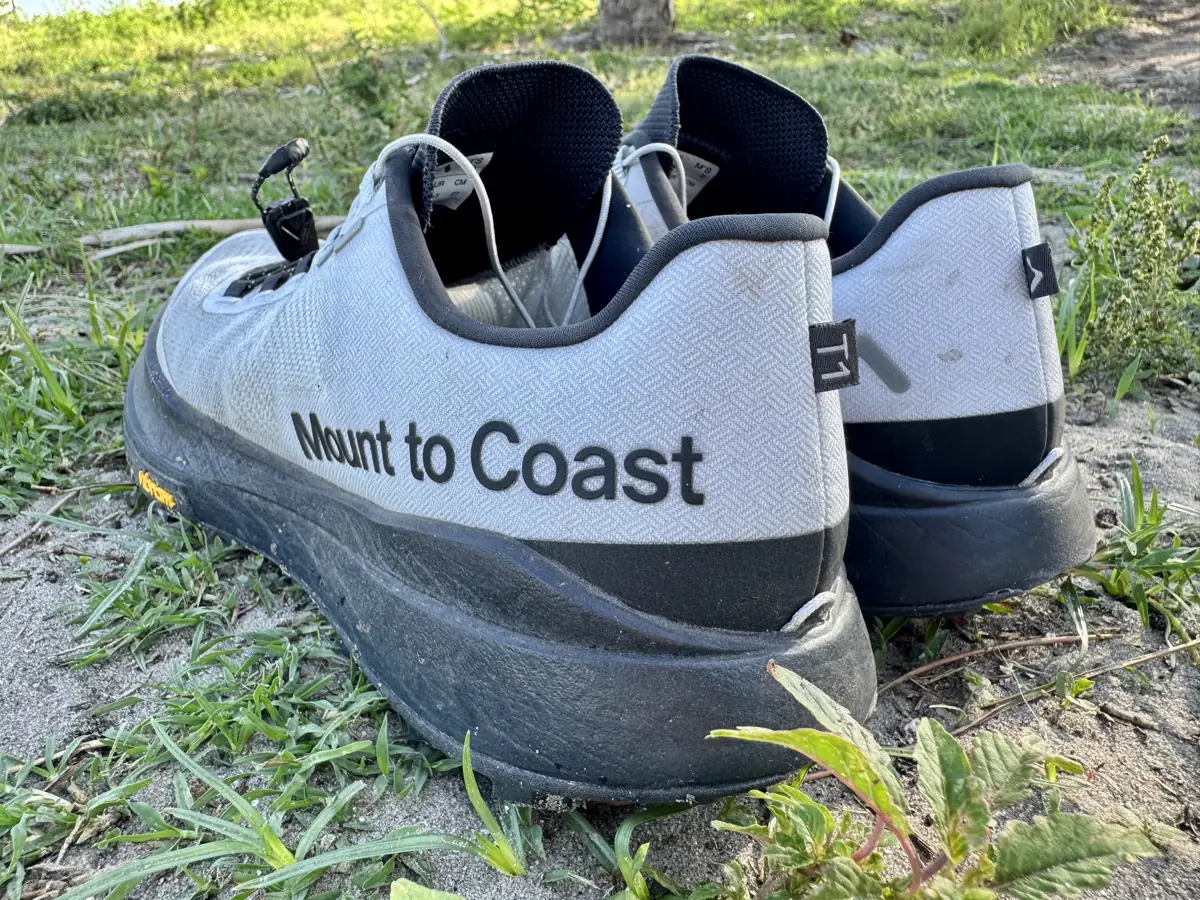
The double-lace system looks unusual at first but genuinely works. Once you've dialled in the fit, this shoe feels remarkably secure on technical descents; the kind of security that matters a lot when you're picking your way down a rocky hiking descent with tired legs.
Best for: All-mountain hiking, technical descents, runners who want lighter weight without sacrificing protection
Salomon Ultra Glide 4 — Best for smooth mountain trails
Price: $160 at Salomon
Salomon Ultra Glide 4 review: max cushion with real trail manners
This high-stack trail shoe softens rough ground beautifully, but what makes it interesting is how composed it still feels when the terrain gets awkward.
Alastair Dixon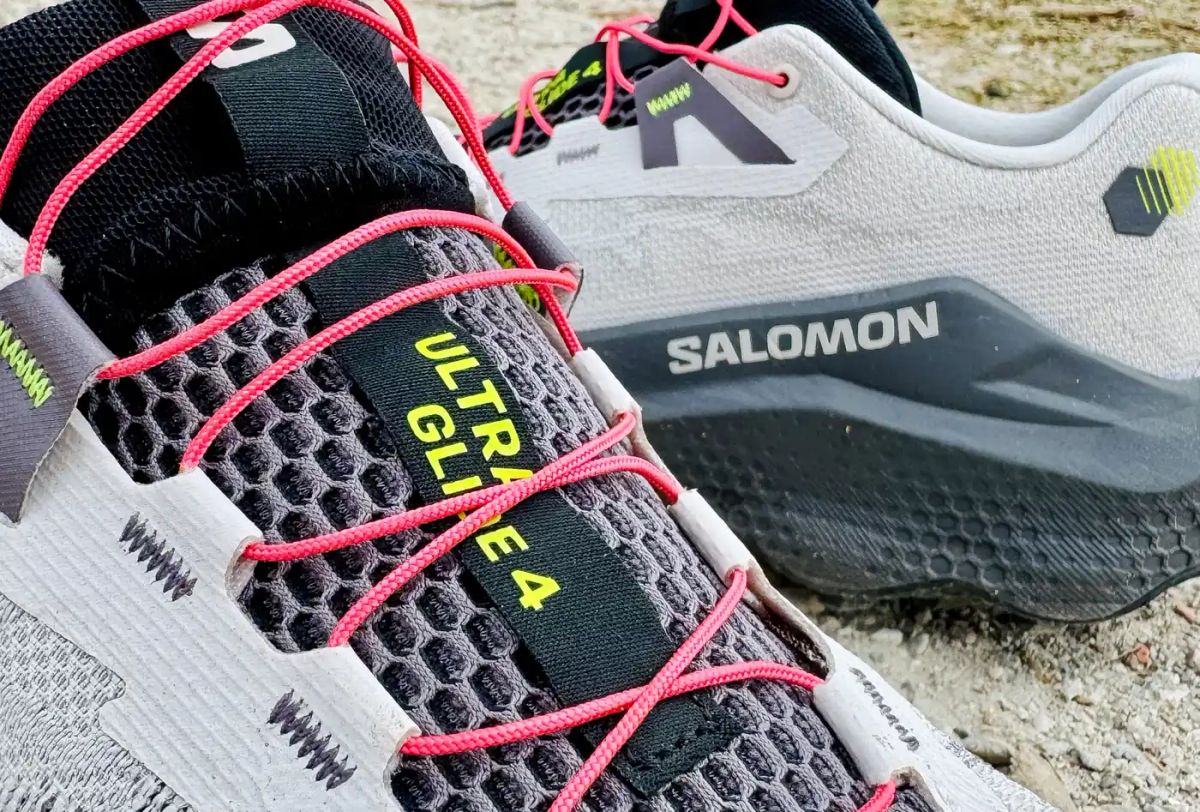
Weight: 9.7 oz (275g) | Drop: 6mm | Fit: True to size, medium width
Maximum cushion that still feels controlled on technical terrain. The Relieve Sphere geometry smooths out rocky miles beautifully; on long mountain hiking days where the terrain is relentless, this shoe makes a genuine difference to how your legs feel deep into the day.
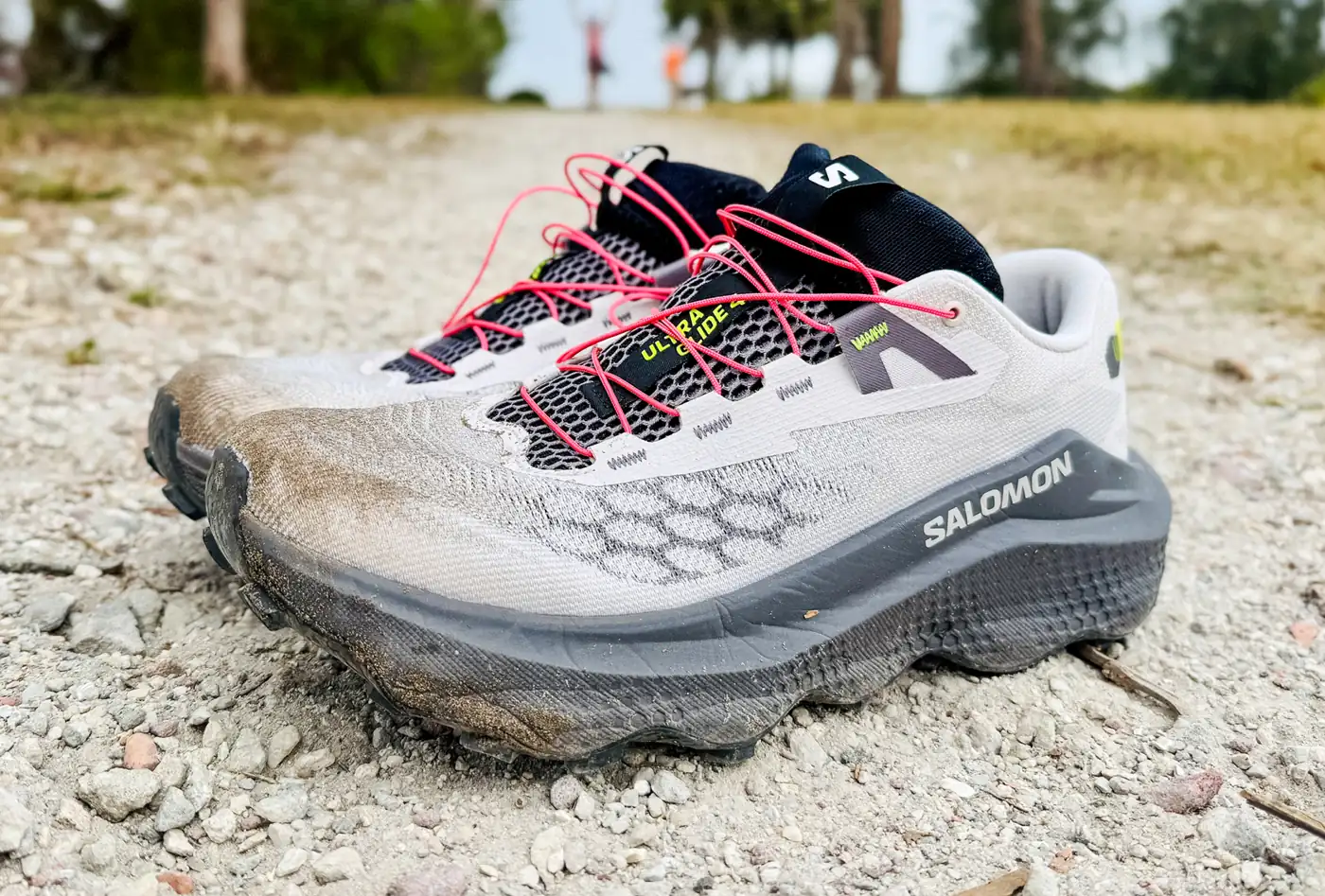
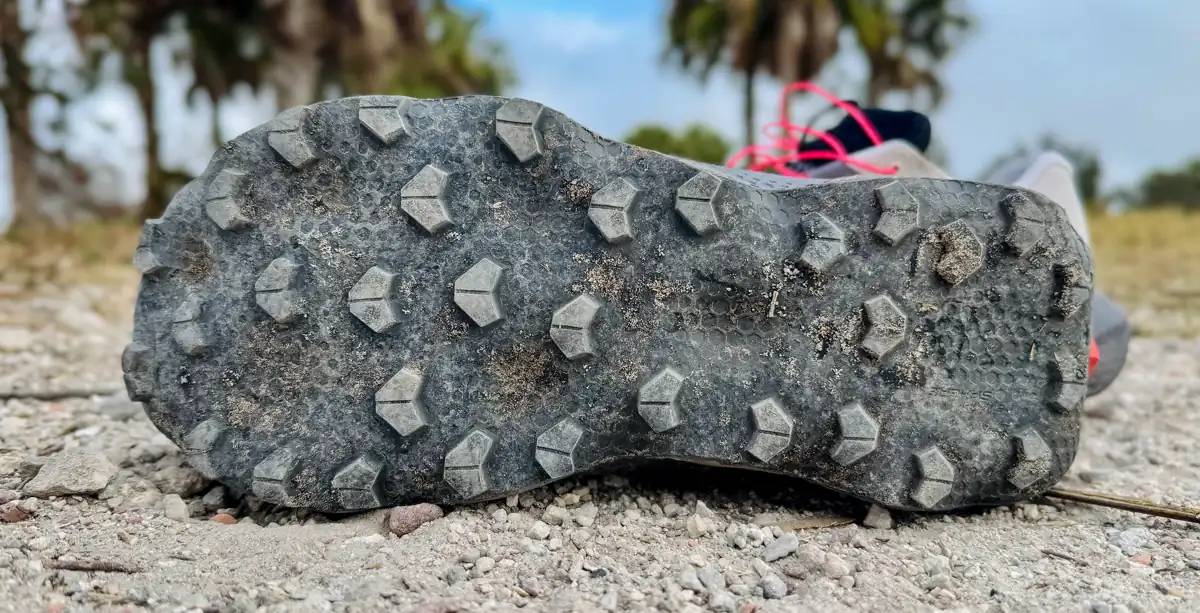
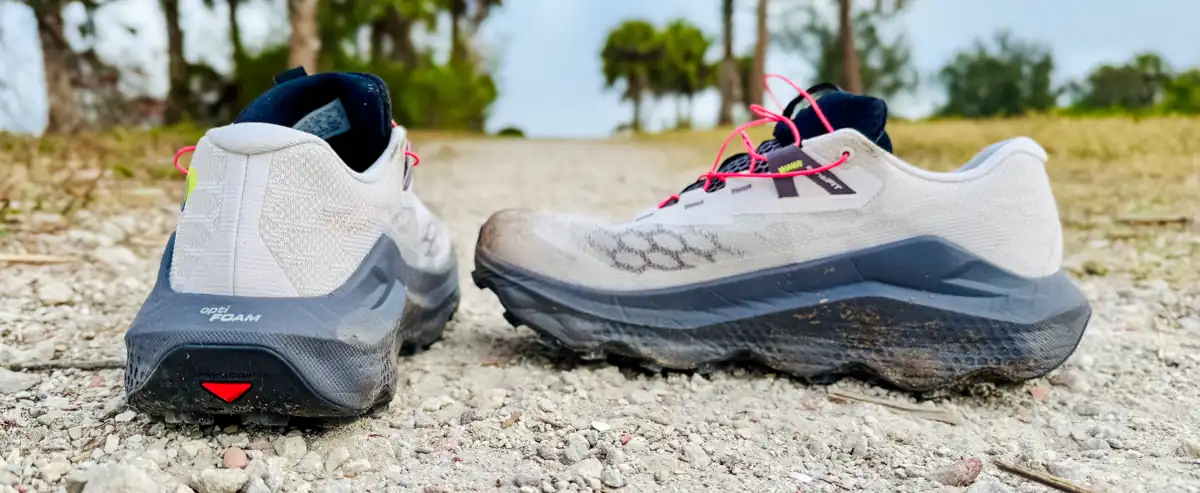
The rocker-forward geometry also reduces calf fatigue on long ascents. Not quite as grippy as the Xodus or Speedgoat in very wet conditions, but on mixed-to-dry mountain terrain it's hard to beat for comfort. Also one of the better-looking trail shoes in this list, which shouldn't matter but somehow always does.
Best for: Long mountain days on mixed terrain, hikers who prioritise cushioning and a smooth flowing ride
How to choose the right trail running shoe for hiking
Mixed surface or full trail?
If your days involve road, gravel, and trail, a road-to-trail shoe is the right call. The Nike ACG Pegasus Trail was specifically built for this, its ATC 2.0 outsole transitions between surfaces without the grinding inefficiency of aggressive lugs on tarmac, and the ReactX foam handles the pavement sections as well as the dirt ones.
If you're heading into proper mountain terrain for full days (technical singletrack, sustained climbs, rocky ridgelines) go all-mountain. The Xodus Ultra 4 is my top pick there.
Wet conditions?
Outsole rubber is everything here. Vibram Megagrip (Xodus Ultra 4) and Nike ATC 2.0 (Pegasus Trail) are the standout performers in wet grip. Standard trail rubber compounds vary enormously; this is one area where buying a shoe without researching the outsole specifically is a gamble.
Long days on your feet?
Cushioning matters more than most people expect when hiking versus running. You're moving slower, accumulating more time on trail, and often carrying weight. The Xodus Ultra 4, Salomon Ultra Glide 4, and ACG Pegasus Trail all have enough foam to stay comfortable over multi-hour efforts, in fact all the shoes on this list do.
Wide feet?
The Altra Experience Wild 3 and Nike ACG Pegasus Trail both offer meaningfully wider toe boxes than most trail shoes. The ACG version specifically improved on the previous Peg Trail 5's slightly snug forefoot; it's now genuinely roomy without sacrificing midfoot security.
Carrying a pack?
A wider base and more foot protection become more relevant when you're adding pack weight. The Xodus Ultra 4 is my pick here; the bathtub midsole construction and Vibram outsole hold up well under load on varied terrain.
Best Trail Running Shoes (2026) — Tested & Reviewed
My personal top picks across all-mountain, road-to-trail, ultra running, and trail racing; plus the best trail running shoes for women. No filler, no shoes I haven’t run in.
Alastair Dixon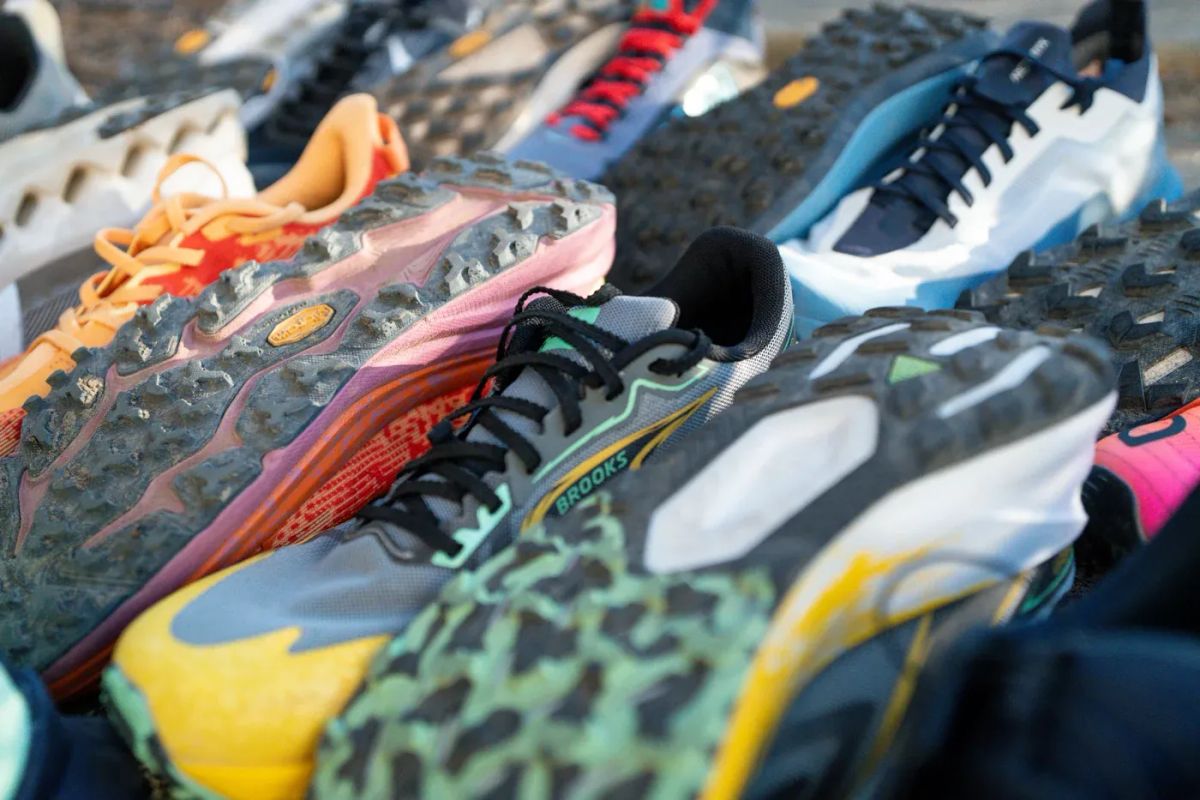
Do you actually need waterproof trail running shoes for hiking?
Usually no; and in many conditions, waterproof membranes actively work against you.
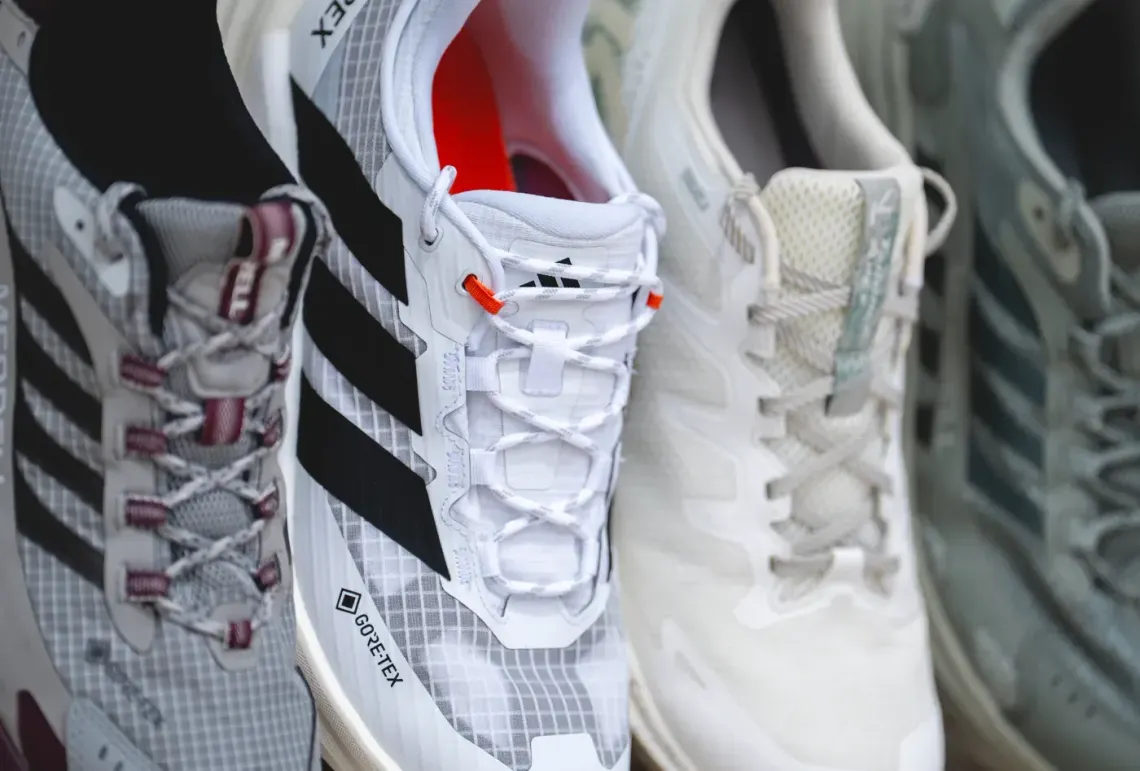
Gore-Tex and similar constructions keep rain out but also trap heat and sweat. On active hiking days where you're working hard and generating heat, your feet often end up wetter from perspiration than they would in a breathable, quick-draining non-waterproof shoe.
The Nike ACG Pegasus Trail's quick-drain engineered mesh is a good example of the better approach; it manages moisture rather than blocking it, and dries fast when it does get wet.
Waterproof trail shoes make genuine sense for cold, slow-moving conditions where you're not generating enough heat for sweat to be a factor. For active hiking, run/hike crossover days, or any outing where you're actually working, non-waterproof with good drainage and better flexibility is typically the more comfortable choice.
FAQ
Can you use trail running shoes for hiking? Yes — and for many people, a trail running shoe is the better choice over a traditional hiking boot. They're lighter, more natural to move in, and dry faster when they get wet. The trade-off is less ankle support and sometimes less durability on very abrasive terrain, but for most moderate hiking, the benefits outweigh the downsides.
What's the difference between trail running shoes and hiking shoes? Trail running shoes are lighter, more flexible, and built for moving fast on varied terrain. Hiking shoes tend to be stiffer, heavier, and optimised for sustained load-carrying over rough ground. For run/hike crossover and light-to-moderate hiking, trail running shoes are often the more versatile tool.
Are Nike trail running shoes good for hiking? The Nike ACG Pegasus Trail is an excellent hiking shoe for mixed terrain, its ATC 2.0 outsole, ReactX cushioning, wider toe box, and durable mesh upper make it a genuinely capable option for both trail running and active hiking. It's my top pick in the road-to-trail category for exactly that reason.
What makes a trail running shoe good for hiking specifically? Four things: outsole grip in your typical conditions, enough cushioning for the duration of your day, a toe box wide enough to allow natural foot splay on ascents and descents, and upper durability to handle sustained debris and abrasion.
Written by

Subscribe to new posts
Gear that earns its place, outdoors and at home | Reviews, Roundups, News






Member discussion